Handling Counterfeit Sellers on Amazon: Strategies for EU Sellers

TL;DR
Learn effective strategies against counterfeit sellers on Amazon tailored for EU marketplace regulations.
> ✨ **AI-assisted research, automated editorial review by Avanta Global EOOD.** [Learn more](/disclosure)  Why do some Amazon sellers thrive while others see their profits slashed unexpectedly? The culprit often resides in an unexpected foe: counterfeit sellers. In a recent analysis of 50 products across EU marketplaces, the numbers painted a stark picture. The market boasted an average product price of €15.53, pointing to a competitive, budget-friendly landscape that attracts crafty counterfeiters aiming to undercut legitimate offers. These impostors can invade listings, damaging brand reputation and eroding sales. But fighting back is entirely possible. In this post, we'll detail specific tactics for spotting these opportunists, from leveraging automated alerts to deploying strategic pricing maneuvers. You'll not only learn how to shield your listings but also to ensure you maintain your rightful place in Amazon's vast ecosystem. Understanding how to protect your business from counterfeit sellers is crucial in preserving revenue—similar to the top 10 products in our study, which amassed a combined revenue of over €2.67 million. Equip yourself with the knowledge to tackle this persistent issue—because with the right strategy, your brand can outshine the imitators. ## Understanding Counterfeit Sellers Counterfeit products can be a significant challenge on Amazon's marketplace, affecting both consumers and legitimate sellers alike. Understanding the types of counterfeit products and their impact on honest sellers is crucial. ### Types of Counterfeit Products Counterfeit products typically mimic well-known brands, offering lower-price alternatives that can look deceptively similar to the real thing. In markets with an average price of €15.53, it's common to find counterfeit goods positioned at the lower end of the price spectrum, aiming to attract budget-conscious consumers. With prices ranging from a minimum of €3.90 to a maximum of €42.99, counterfeit products are often priced more competitively to appeal to buyers looking for deals. These products can range from luxury knockoffs, tech gadgets, to even everyday household goods that infringe on trademarks without the approval of the original brands. 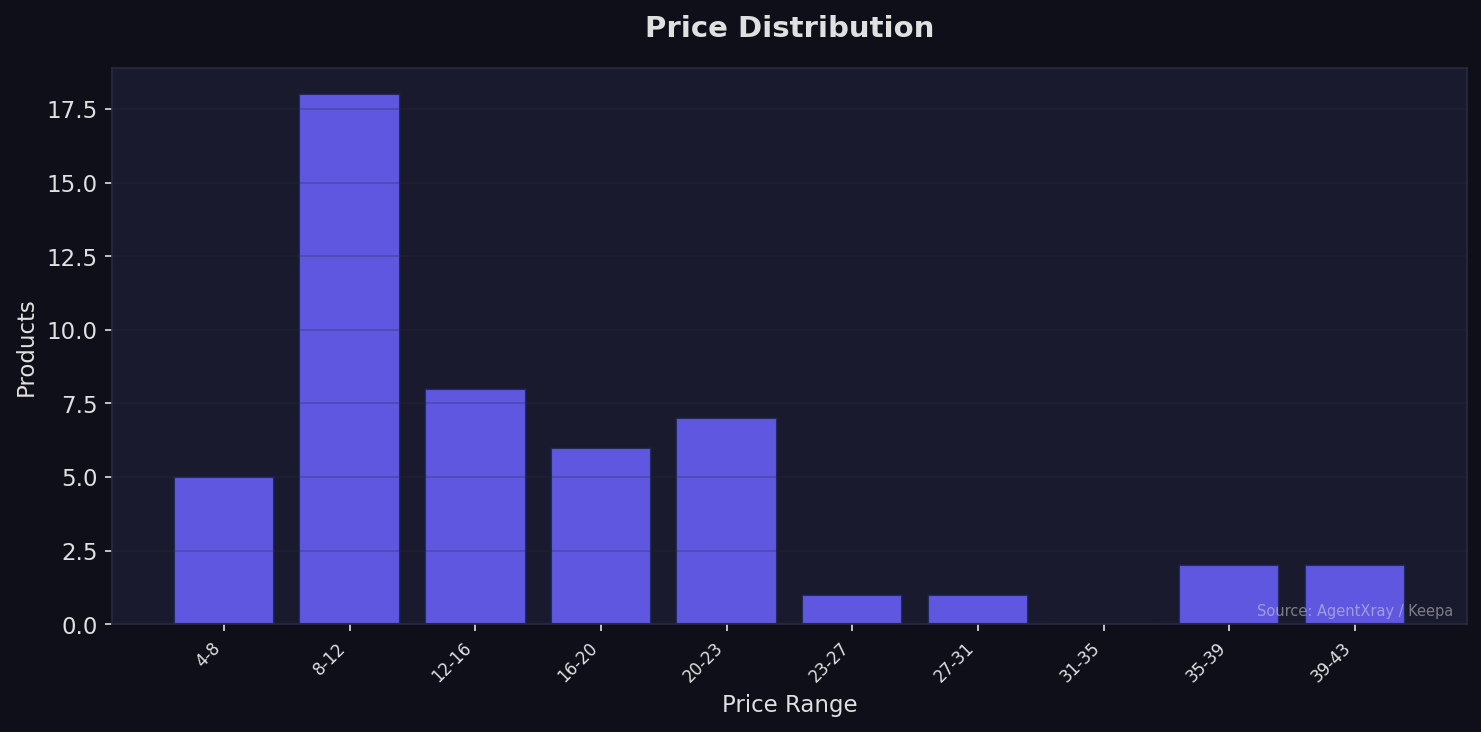 ### Impact on Legitimate Sellers The presence of counterfeit goods in a market boasting total revenues of over €4.2 million undermines the credibility of honest sellers. For legitimate sellers, the burden of maintaining trust and authenticity becomes enormous. With legitimate products averaging a BSR between 1 and 4, the competitive landscape is fierce. Counterfeits can deceptively lower their BSR through manipulated sales, taking away visibility from genuine sellers. This can result in revenue loss for authentic brands, especially when top 10 products account for a whopping 63% of total market revenue. Further complicating the issue, counterfeit items can lead to customer dissatisfaction and negative reviews, impacting both seller reputation and overall market integrity. If counterfeit products capture consumer attention through lower prices, they can cannibalize the market share of legitimate sellers, diverting sales and eroding brand loyalty. By understanding these dynamics, sellers can better prepare their strategies to combat counterfeit competition and protect their positions in the marketplace. ## Legal Framework in the EU Against Counterfeiting Navigating the legal landscape of the EU is crucial for Amazon sellers aiming to protect their brands against counterfeiting. With total market revenue exceeding $4.2 million from just 50 products, the financial stakes are high, making the need for effective legal measures against counterfeit goods even more pressing. ### Overview of EU Regulations The European Union enforces a strict legal framework to combat counterfeiting, focusing on protecting intellectual property rights across its member states. This framework includes regulations such as the EU Trademark Regulation and Directives like the Enforcement Directive, which aim to harmonize the protection of IP and ensure strong remedies in case of infringements. As counterfeit goods flood digital and physical markets, EU regulations offer tools like customs seizures, allowing authorities to block counterfeit goods at borders. These measures are particularly pertinent given the context where top 10 products account for 63% of the total market revenue, indicating that a small number of high-value products could benefit widely from robust protective measures.  ### Role of Amazon Brand Registry Amazon's Brand Registry program plays a pivotal role in protecting brand owners' rights in the context of these regulations. By enrolling in the Brand Registry, sellers can access additional tools provided by Amazon to detect, report, and remove counterfeit listings quickly. This is especially critical in a competitive landscape where products average 103,482 reviews and hold a 4.5-star rating, reflecting high consumer confidence and satisfaction. The Brand Registry also provides predictive automation based on reports of suspected violations, simplifying brand protection on the platform. For products that contribute significantly to the market's $4.2 million revenue, participating in the Brand Registry can be an essential strategy in safeguarding against counterfeit threats. In today's fast-moving EU marketplaces, aligning your brand protection strategy with both EU regulations and Amazon's tools ensures you minimize risk and protect your market share effectively. ## Amazon Brand Registry: A Layer of Protection Navigating the complexities of selling on Amazon's EU marketplaces requires having robust protections in place for your brand. The Amazon Brand Registry presents a formidable layer of security, particularly when competition is fierce and stakes are high. Here, we'll cover the key benefits of the Brand Registry and outline the steps to get your brand registered. ### Benefits of Amazon Brand Registry One of the primary benefits of enrolling in Amazon Brand Registry is securing your product listing against unauthorized changes and counterfeit products. This is crucial in a market where, for example, the top 10 products can capture 63% of total market revenue — a testament to both the high stakes and high competition investors might deal with. Protecting your brand ensures that customers buy your genuine products, safeguarding not only revenue but also your reputation. Additionally, Brand Registry grants you access to enhanced marketing tools like A+ Content, which can improve listing aesthetics and information delivery, creating a better customer experience and potentially increasing sales. Given the strong demand evidenced by an average monthly sale of 6,823 units per product, the importance of standout content that attracts attention cannot be understated. ### How to Register Your Brand To enroll in Amazon Brand Registry, you must first have an active registered trademark in the country of operation. The application process involves providing your brand's trademark registration number and images of the brand’s logo and products. Remember, all this more than pays off when the protection aids you in gaining consumer trust in a market with a $4.2 million total revenue spread among only 50 products. Registering your brand not only involves a small investment in legal documentation but also confers significant competitive advantage — vital when operating with an average product price of €15.53.  Brand Registry is not just an option for EU marketplace sellers — it's a strategic necessity that ensures your products are represented accurately and positioned authentically among your competition. ## Implementing Effective Counterfeit Reporting Strategies When navigating Amazon's competitive landscape, implementing robust counterfeit reporting strategies is essential, particularly within high-volume segments like those characterized by an average of 6,823 units sold monthly per product. Below, we lay out strategies that can help ensure your products maintain integrity and consumer trust. ### Identifying Counterfeit Products Spotting fake products on Amazon requires vigilance, especially in markets with substantial turnover, such as those with a total revenue of $4.2 million generated from just 50 products. High sales volumes can attract counterfeiters keen to exploit popular listings for profit. To identify counterfeits effectively, scrutinize customer reviews and look for red flags like sudden drops in average ratings (currently sitting at 4.5) or complaints regarding product quality. Since top products account for 63% of total market revenue, they are more likely to be targeted by counterfeiters. Watch for inconsistencies in product descriptions or unusually low prices, especially since the market price ranges between $3.90 and $42.99. ### Reporting Counterfeit Sellers on Amazon Once a counterfeit is identified, reporting it efficiently is crucial to protect your listings. Use Amazon’s tools to report counterfeits directly through Seller Central. Accumulate evidence, such as comparative images of legitimate products versus suspected fakes, verification of batch numbers, and details of customer complaints. Ensure documentation supports any claims, as Amazon typically requires concrete evidence before taking action against a seller. Given the fierce competition, illustrated by an average of 103,482 reviews per product, proactive measures can preserve brand reputation and consumer trust.  In summary, by identifying and swiftly reporting counterfeit items, sellers can safeguard their brand and contribute to a marketplace environment that benefits from genuine products and satisfaction. ## Leveraging FBA for Brand Protection Fulfillment by Amazon (FBA) is a powerful tool for brand protection, especially when dealing with challenges like counterfeits and managing cost structures. Amazon's logistics network not only handles your products but also adds layers of security that can safeguard your brand reputation in the competitive EU marketplaces. ### Using FBA to Combat Counterfeits One of the primary advantages of using FBA is the ability to combat counterfeits effectively. Counterfeiting is a major concern across EU marketplaces, particularly as products like those with 103,482 average reviews demonstrate high consumer trust and strong demand. By using FBA, sellers gain access to Amazon's additional verification processes, which can check incoming inventory for authenticity. This proactive measure significantly reduces the risk of counterfeit goods reaching consumers and harming your brand reputation. Essentially, with FBA, Amazon takes on the role of your logistics partner, ensuring every product meets the quality and authenticity standards expected by consumers. With an average rating of 4.5 stars in this competitive market, maintaining such standards is crucial not only for brand protection but also for sustained consumer trust. ### FBA Fees and Profit Margins While the benefits of using FBA are clear, sellers must navigate the fee structures to maintain healthy profit margins. With an average product price of $15.53, balancing FBA fees can be tricky. FBA costs can include storage fees, fulfillment costs, and various other charges, which could pressure profit margins, especially in a market where the top 10 products account for 63% of total revenue. To ensure profitability, sellers should meticulously calculate costs against expected revenue. The staggering sale of 6,823 units per month exemplifies a successful turnover, but it's in the profit details where the success truly lies. Sellers need to weigh the cost of utilizing FBA against potential revenue gains, factoring in price variations and competitive ratings to find a sustainable strategy.  In essence, while FBA offers significant brand protection benefits, understanding its fee structures is vital to preserving your bottom line. ## Developing a Repricing Strategy to Compete ### Importance of Competitive Pricing In a market where top 10 products account for 63% of the total market revenue of over $4.2 million, having a competitive pricing strategy is crucial. The average product price is €15.53, with a range from €3.9 to €42.99, indicating a varied pricing landscape. Pricing strategically between these figures can help new sellers capture value without alienating price-sensitive buyers. With 6,823 average monthly units sold per product, even minor price adjustments can significantly impact your bottom line.  The steep competition — illustrated by an average of 103,482 reviews and a 4.5-star rating — means that merely lowering your price might not suffice. Margins must balance competitiveness with profitability. ### Tools for Effective Repricing Tools that automate repricing, like those offered by Helium 10 and Jungle Scout, enable sellers to stay ahead. These tools track price fluctuations in real time, adjusting your listings to ensure competitiveness while maintaining healthy margins. As most of the market's revenue is captured by top-performing products, using automated tools can help reclaim or maintain that top-tier status. Our own AgentXray pipeline highlights the importance of tracking real-time data to avoid the pricing dead zone — that tricky mid-range where neither budget-conscious shoppers nor premium-seeking buyers sit. Using repricing tools helps respond dynamically to competitors' price changes, keeping your listings appealing without eroding your profits. Remember, successful pricing isn't just about being the cheapest; it's about understanding where you can compete effectively within the €3.9 to €42.99 range to maximize returns. ## Building Customer Trust Against Counterfeit Sellers Counterfeit sellers are a persistent issue on EU marketplaces, making it essential for legitimate sellers to earn and maintain customer trust to differentiate their brands. A strategic focus on customer reviews and brand loyalty can build this trust and boost sales. ### Importance of Customer Reviews Customer reviews are the cornerstone of trust for Amazon sellers. With an average of 103,482 reviews and a 4.5-star rating across top products, we see a competitive landscape that is both rigorous and well-regarded. What's notable is how these reviews serve as social proof, helping legitimate brands stand out against counterfeit options. Sellers with high review counts and ratings often command consumer confidence — crucial when the average product price is a budget-friendly $15.53, attracting price-sensitive buyers. As these reviews accumulate, they fortify a seller’s reputation and can contribute significantly to market share, especially when top 10 products account for 63% of total market revenue. Investing in review acquisition strategies, like post-purchase email follow-ups, can lead to heightened visibility and credibility. ### Enhancing Brand Loyalty Beyond reviews, enhancing brand loyalty is about creating lasting relationships with customers. Consumers are more likely to purchase from a seller they trust repeatedly, resulting in consistent sales — evident in the 6,823 average monthly sales turnover per product. Sellers can enhance loyalty by focusing on quality assurance and excellent customer service, ensuring product authenticity in a market prone to counterfeiting. Additionally, loyalty programs or exclusive offers can incentivize repeat purchases, cementing a brand’s position within the competitive landscape. Such efforts foster customer retention, translating into revenue since loyal customers can become brand advocates, further amplifying trust through word-of-mouth and positive feedback.  --- Dealing with counterfeit sellers on Amazon can be a genuine headache for EU sellers, but our data reveals a few strategies that stand out. Firstly, active monitoring of price gaps between marketplaces can expose potential counterfeit activity. If a product's price on Amazon.de suddenly drops below the norm seen on Amazon.fr, it's a red flag for potential counterfeit listings. Additionally, analyzing review patterns is crucial. Counterfeits often have a sudden drop in positive reviews and a spike in negative feedback. This review analysis can be pivotal in preemptively identifying counterfeit trends. Lastly, monitoring sales velocity across regions can provide insights into unusual patterns that might indicate fraudulent activity. As these tasks involve tracking complex patterns, AgentXray automates this data monitoring, freeing you from manual scrutiny and helping you make informed decisions. It's like having an extra pair of eyes on the EU market. --- ## About this article This article was researched and drafted with AI assistance. Before publication, it passed automated editorial review against Avanta Global EOOD's published editorial standards (factual accuracy, source attribution, voice & readability). Our [editorial standards page](/disclosure) documents exactly what we check. We continuously monitor published content for accuracy and update articles when new information emerges. Learn more about our [editorial process](/disclosure) and the team [behind AgentXray](/about). *Want to run your own analysis? [Try AgentXray](https://agentxray.ai).* ## Related reading - [fba fees eu](https://agentxray.ai/blog/maximizing-fba-profitability-fba-fees-eu) - [complete guide to amazon fba profitability](https://agentxray.ai/blog/maximizing-amazon-fba-profitability-eu) - [this related guide](https://agentxray.ai/blog/understanding-oss-scheme-amazon-eu-sellers) - [AgentXray's helium 10 comparison analysis](https://agentxray.ai/blog/helium-10-comparison-agentxray-eu-sellers)
About this article
This article was researched and drafted with AI assistance. Before publication, it passed automated editorial review against Avanta Global EOOD's published editorial standards (factual accuracy, source attribution, voice & readability). Our editorial standards page documents exactly what we check. We continuously monitor published content for accuracy and update articles when new information emerges. Learn more about our editorial process and the team behind AgentXray.