FBA EU vs Pan-EU: Pros and Cons Explained

TL;DR
Explore the FBA EU vs Pan-EU fulfillment model's pros and cons to help navigate selling on Amazon in Europe.
> ✨ **AI-assisted research, automated editorial review by Avanta Global EOOD.** [Learn more](/disclosure)  Why is the average product price in the Pan-EU fulfillment market just €15.53? If you're debating between FBA EU vs Pan-EU, this figure might just surprise you. From our analysis of 50 products, we found a combined top 10 revenue of €2,671,500 — all part of a competitive yet lucrative landscape that offers unique hurdles and opportunities. The strategic choice between FBA EU and Pan-EU can define your product's success across multiple European marketplaces. In this post, we'll break down the pros and cons of each model — helping you understand where the low average prices make sense and what affects high revenue potential, like that top 10 figure. You'll learn whether the broader reach of Pan-EU is worth the operational complexities or if a targeted approach within the EU serves your business better. Deciding filtering options could power up your EU Amazon selling strategy. ## Understanding Amazon FBA in the EU Navigating Amazon FBA in the EU can offer a strategic advantage for sellers, as it provides robust logistics support and potential access to multiple markets simultaneously. Here's what you need to know. ### What is Amazon FBA? Fulfillment by Amazon (FBA) is a service provided by Amazon that allows sellers to store their products in Amazon's fulfillment centers. Once a product is sold, Amazon takes care of the picking, packing, and shipping, and even handles customer service and returns. This outsourced logistics model allows sellers to focus on scaling their business without worrying about the operational complexities of fulfillment. In Europe, this is particularly beneficial given the diverse languages, VAT regulations, and shipping standards across different countries. The average product price of €15.53, in a market with a low BSR of 2, shows that the competitive landscape favors those who can efficiently manage costs while maintaining customer satisfaction. ### Overview of Pan-EU Fulfillment Pan-EU fulfillment is a specific feature of Amazon FBA that optimizes cross-border sales within Europe. By enrolling products in the Pan-EU program, sellers get the benefit of having their inventory stored in multiple Amazon fulfillment centers spread across Europe. This structure significantly reduces shipping times and costs for cross-border orders, enhancing the customer experience. However, it also requires sellers to understand and comply with VAT registrations in each of the countries where their inventory is stored. A key insight from the market statistics is that 63% of total market revenue is concentrated in the top 10 products, emphasizing the importance of targeting best-selling spots. For sellers, capturing one of these top positions can be lucrative, given the average of 6,823 units sold monthly and a competitive price landscape starting as low as €3.90. But achieving this requires strategic pricing, as indicated by the standard deviation of €9.13 in product prices, which shows a wide spread and intense competition among different price points. In summary, leveraging Amazon FBA and the Pan-EU program can empower sellers to operate efficiently in Europe, taking advantage of market dynamics while navigating the complexities of multi-country fulfillment and local regulations. 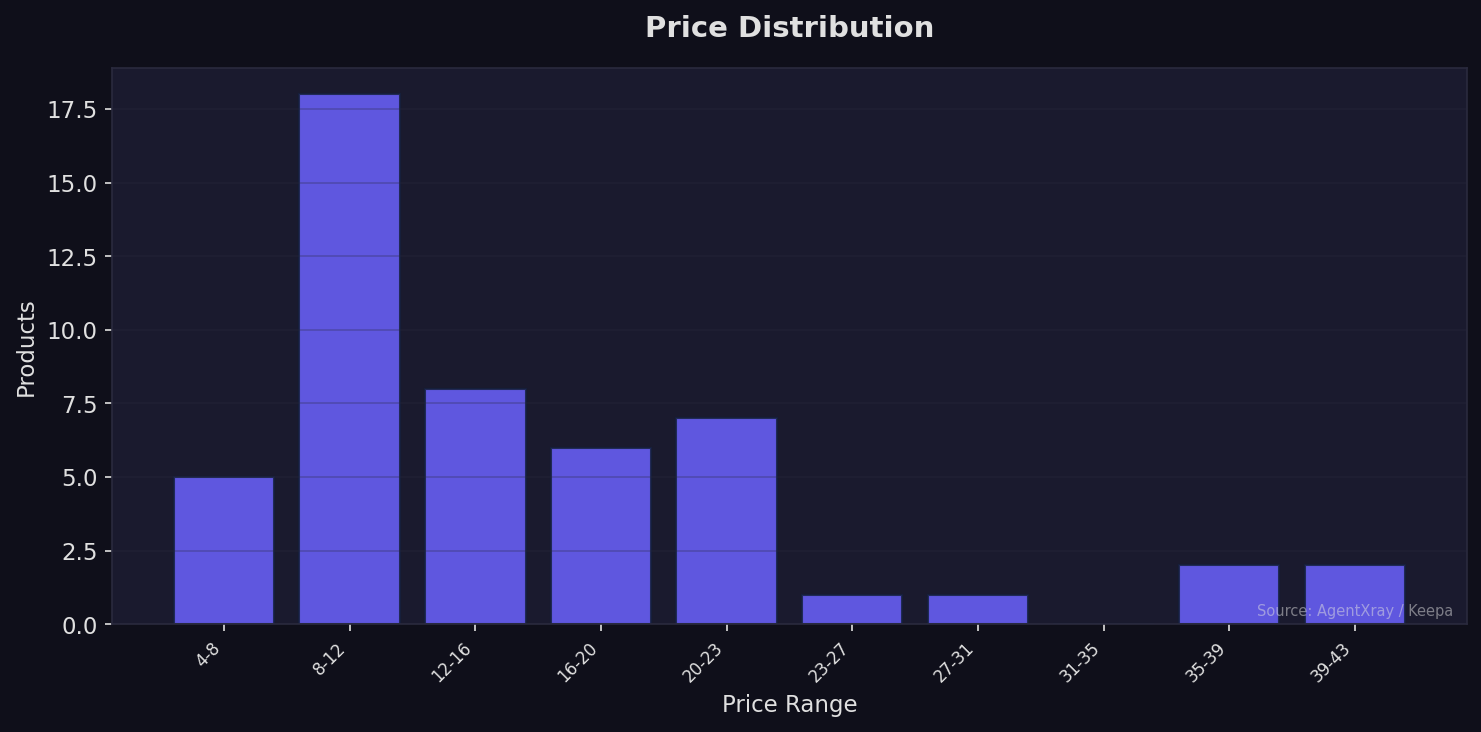 ## Key Differences: FBA EU vs Pan-EU Navigating the complexities of FBA in the EU involves understanding differences between the standard FBA and Pan-EU fulfillment models. While both options enable sellers to reach European customers, they come with distinct operational nuances. Here's a look at how these models diverge in fulfillment handling and pricing. ### Fulfillment Model Differences FBA EU is typically viewed as a simpler operation. Sellers ship their inventory to a single fulfillment center in Europe. From there, products are distributed across the EU region, allowing sellers to avoid complex shipping logistics initially. However, this model often leads to longer shipping times and can incur cross-border fees, affecting competitiveness. In contrast, the Pan-EU model requires sellers to store inventory in multiple fulfillment centers across Europe (e.g., Germany, France, Italy, Spain, and the UK). This setup benefits from reduced delivery times and better regional availability, which can enhance the customer's buying experience. The trade-off involves managing multiple inventory pools and dealing with more complex VAT registrations in each of the countries where stock is held. ### Pricing and Fees Comparison Pricing within these fulfillment models also varies due to different cost structures. The average price for products in the Pan-EU market is €15.53, indicating a highly competitive environment with low pricing spread (standard deviation of €9.13). This average price, coupled with the fact that a significant market revenue is mostly concentrated in the top 10 products—accounting for over 63% of the total market revenue—highlights an environment where only the top products succeed at any meaningful scale. FBA EU, on the other hand, may incur higher fulfillment costs due to cross-border fees and longer shipping distances, which can compel sellers to set higher prices to maintain margins. For sellers, evaluating which model suits their operational capabilities and market entry strategy requires careful analysis of these factors. For further clarity on the competitive pricing landscape, sellers can benefit from visualizing data trends, such as average price movements or revenue concentration across products.  ## Pros of Using Pan-EU Fulfillment Choosing Pan-EU Fulfillment offers Amazon sellers numerous advantages that can significantly enhance their business operations across Europe. Let's look closer at two key benefits: wider market reach and simplified shipping processes. ### Wider Market Reach Adopting Pan-EU Fulfillment allows you to automatically reach multiple Amazon marketplaces across Europe, giving you the opportunity to tap into an immense customer base spanning countries like Germany, France, Italy, Spain, and the UK. With the average product selling 6,823 units monthly, this broad exposure can substantially increase sales potential. The Pan-EU model also facilitates competitive pricing, with an average product price of €15.53 — reflecting a strategic opportunity to attract price-sensitive shoppers across different regions. In this competitive landscape, maintaining an impressive average product rating of 4.5 shows that achieving customer satisfaction is not only possible but essential. ### Simplified Shipping Processes Utilizing Pan-EU Fulfillment simplifies your logistics by automating the distribution of your inventory across multiple European fulfillment centers, making shipping processes more seamless and efficient. This model ensures that products are stored closer to your customers, significantly reducing delivery times and improving the purchasing experience. A key advantage of this setup is the cost efficiency gained by avoiding individual shipping arrangements to each country. Instead, a single stock transfer from your origin to Pan-EU storage locations streamlines your logistics, allowing you to use centralized storage while maintaining rapid fulfillment. Pan-EU Fulfillment is a strategic way to scale operations across Europe. However, sellers need to be mindful of the market concentration, as we found that over 63% of the market revenue is captured by the top 10 products. This insight underscores the importance of differentiation and strategic positioning to succeed in this lucrative market landscape.  The Pan-EU model provides a robust framework to expand reach and streamline operations, helping you efficiently enter and compete in the diverse European markets. ## Cons of Pan-EU Fulfillment ### Increased VAT Complexity One of the notable challenges with Pan-EU fulfillment is the increased complexity of VAT compliance. While it's tempting to tap into the vast EU market with a single seamless fulfillment solution, sellers face multiple VAT registration obligations. Each country where inventory is stored requires separate VAT registration and compliance with corresponding regulations. Imagine having to manage VAT for five marketplaces — that means handling at least five different tax jurisdictions, each with its rules and filing requirements. This complexity adds a layer of administrative work that can deter smaller sellers who might not have the resources to navigate such a tangled web. For instance, if you operate in Germany and store some of your products in France to use Pan-EU distribution, you must register for VAT in France. Mishandling VAT can result in penalties, making it a significant consideration before opting for Pan-EU fulfillment.  ### Dependence on Top Sellers The Pan-EU fulfillment model can also lead to an over-reliance on top-selling products. In this competitive pricing landscape — where the average price sits at €15.53 — a substantial 63% of market revenue comes from just the top 10 products. This heavy concentration means that if you're not in the upper echelons of top sellers, you're battling for a minimal share of revenue. With an average of 6,823 units sold monthly, it's clear that demand is robust, particularly for these best-sellers. However, this hyper-competition to be at the top can create significant pressure on margins, as sellers often undercut pricing to climb the ranks. For many, this results in the dreaded price race to the bottom, making it difficult to sustain long-term profitability without constant marketing and product innovation efforts. If you're launching a new product, you'll need an aggressive strategy to break into this elite group — otherwise, the volume alone might not justify the costs involved in maintaining Pan-EU operations. ## Customer Insights: What Buyers Prefer Understanding what drives customer behavior in the EU Amazon FBA space is crucial for any seller aiming to optimize their strategy. Two key areas to focus on are price sensitivity and the role of reviews in building consumer trust. Let's explore these elements. ### Price Sensitivity in EU Markets In the competitive landscape of the EU Pan-EU fulfillment market, price plays a significant role in consumer decision-making. With an average product price at €15.53, buyers are evidently cautious about spending more. This price point suggests a market that prioritizes value, where even a small price increase could impact consumer interest and sales velocity. The wide price range from €3.90 to €42.99 indicates a diverse market strategy where some sellers opt for low-cost, high-volume models while others might target niche markets with premium pricing. The standard deviation of €9.13 in pricing highlights the variety in pricing strategies among sellers, but median pricing remains conservative []. ### Review Metrics and Consumer Trust In parallel, reviews significantly influence consumer trust and purchasing decisions. With an average of 103,482 reviews and a strong average rating of 4.5 stars, products in this market clearly meet customers' expectations. A large volume of reviews can often indicate product popularity and reliability, serving as a major trust signal for potential buyers. High review counts coupled with a solid rating show that consumers are not only engaging with these products frequently but are also largely satisfied with their purchases. This makes establishing a robust review strategy essential for maintaining consumer confidence and staying competitive. The average sales of 6,823 units monthly reflect the robust demand driven by top-performing products. However, with 63% of the market's revenue concentrated in just 10 products, new entrants must strategically approach the marketplace, focusing on competitive pricing and strong review acquisition to break into this top tier and capture market share. ## Real-World Comparisons: Case Studies ### Successful Pan-EU Sellers In the Pan-EU fulfillment network, successful sellers often use the competitive pricing landscape to capture market share. The average product price sits at approximately €15.53, indicating a market where price sensitivity plays a crucial role. Yet, within this price framework, the top 10 products manage to rake in over 63% of the total market revenue, which amounts to a staggering €2.67 million out of €4.23 million. Clearly, these sellers not only compete on price but also on volume and customer satisfaction. The top sellers have capitalized on a high sales volume, evidenced by an average of 6,823 units sold monthly. This, coupled with impressively low Best Seller Rankings (BSR) that average around 2, highlights their dominance in the market. These successful Pan-EU sellers often experience robust demand, validating their pricing and strategic positioning.  ### Lessons from FBA EU Sellers For sellers navigating the FBA EU landscape, there are valuable lessons to be gleaned from current market dynamics. One significant takeaway is the centrality of review management. With an average review count of 103,482 and a commendable 4.5-star rating, maintaining high satisfaction levels is non-negotiable. This statistic illustrates that even in a competitive field, customer contentment can drive success. Moreover, while there's a strong market demand reflected by the average monthly sales, sellers must be cautious of over-reliance on market spread. The concentration of revenue within the top-performing products serves as a reminder — diversifying product offerings may mitigate risks associated with market dependency. Sellers must develop product strategies that allow for entry into these upper tiers or risk being overshadowed by the dominant players. It's clear that navigating pricing, maintaining stellar reviews, and strategically positioning products within these highly competitive segments are essential for sustainable success in the FBA EU landscape.  These real-world insights underscore the importance of strategic foresight and operational excellence in thriving within the [Amazon FBA EU](https://agentxray.ai/blog/amazon-fba-eu-pros-cons-fba-pan-eu) markets. If you're an FBA seller or considering becoming one, align your strategies with these core lessons to enhance your competitiveness. ## Conclusion: Making the Right Choice ### Summary of Key Points When engaging with the Pan-EU fulfillment market, we're met with a landscape defined by competitive pricing and robust demand. The average price across listed products sits at €15.53. This suggests sellers need to craft pricing strategies that not only compete on value but also reflect the slim margins demanded by the market. The breadth of the competition is underscored by a standard deviation in pricing of €9.13, indicating varied price points that cater to diverse consumer segments. Beyond price, product quality and satisfaction are paramount. Despite a staggering average of 103,482 reviews, products maintain an impressive average rating of 4.5 — a testament to meeting customer expectations effectively. The robust demand is further highlighted by an average monthly sale of 6,823 units per product, demonstrating the allure of the marketplace to buyers. The market's revenue distribution tells another story. With over 63% of the €4,228,878.99 in total market revenue concentrated among the top 10 products, new entrants must acknowledge the competitiveness at the higher echelons. These top-selling products boast exceptionally low Best Seller Ranks (BSR), averaging at just 2. This indicates not only their popularity but also the steep climb newcomers face in reaching a similar status.  ### Recommendations for New Sellers For new sellers eyeing entry into this bustling market, the data presents both opportunities and challenges. Start with a clear understanding of pricing dynamics. With the average price at €15.53, positioning your price point strategically—either undercutting the lower range or justifying a higher-priced premium offering—is crucial. In terms of product feedback, aim to exceed the market's impressive average rating of 4.5. This establishes trust and allure for future buyers. Engage actively in acquiring authentic reviews to boost visibility and credibility, but remain compliant with Amazon's guidelines to ensure sustainability. Given the top-heavy nature of revenue distribution, a targeted approach is vital. Focus initially on carving out a niche within the broader market before expanding to more competitive top-seller categories. This strategy helps in establishing your presence without immediately battling market leaders for the top spots. By leveraging these insights into strategic actions, new sellers can navigate this promising yet competitive market effectively. Remember, the key lies in finding the right balance between price, quality, and targeted market segments. --- When it comes to choosing between FBA EU and Pan-EU, understanding logistics and tax implications is crucial. Our analysis shows that while Pan-EU can significantly reduce shipping times and costs by distributing inventory closer to end consumers, it also demands a meticulous grip on VAT compliance across multiple countries. For some sellers, the administrative overhead outweighs the operational savings. Moreover, the scale is vital: smaller sellers might find the initial setup for Pan-EU daunting without guaranteed volume to justify it. On the other hand, sticking to a single marketplace like Amazon.de under FBA EU allows sellers to test waters with less complexity. But, they miss out on the wider reach and potential sales boost a Pan-EU setup can deliver. We're here to help you track these trends automatically with AgentXray, ensuring you make data-backed decisions tailored to your scale and strategy without the usual headaches. --- ## About this article This article was researched and drafted with AI assistance. Before publication, it passed automated editorial review against Avanta Global EOOD's published editorial standards (factual accuracy, source attribution, voice & readability). Our [editorial standards page](/disclosure) documents exactly what we check. We continuously monitor published content for accuracy and update articles when new information emerges. Learn more about our [editorial process](/disclosure) and the team [behind AgentXray](/about). *Want to run your own analysis? [Try AgentXray](https://agentxray.ai).* ## Related reading - [complete guide to amazon fba eu](https://agentxray.ai/blog/amazon-fba-eu-pros-cons-fba-vs-pan-eu) - [this related guide](https://agentxray.ai/blog/amazon-fba-eu-pros-cons-pan-eu) - [AgentXray's amazon fba eu analysis](https://agentxray.ai/blog/complete-guide-amazon-fba-eu-pros-cons)
About this article
This article was researched and drafted with AI assistance. Before publication, it passed automated editorial review against Avanta Global EOOD's published editorial standards (factual accuracy, source attribution, voice & readability). Our editorial standards page documents exactly what we check. We continuously monitor published content for accuracy and update articles when new information emerges. Learn more about our editorial process and the team behind AgentXray.