Dynamic Repricing on Amazon: Tools, Tactics, and Traps

TL;DR
Explore the best practices and insights on the amazon repricing tool for effective dynamic pricing strategies.
> ✨ **AI-assisted research, automated editorial review by Avanta Global EOOD.** [Learn more](/disclosure)  Our recent analysis on Amazon shows that the top 10 products generate a staggering €2,671,500 in combined revenue, demonstrating that this kind of volume is about more than just having a great product — it's also about strategic pricing. In the world of Amazon sellers, effective dynamic repricing can be the difference between leading the pack and languishing in obscurity. But how do you ensure your products are priced competitively without sacrificing profit? Enter the realm of the Amazon repricing tool: indispensable for sellers who need to stay agile in a market where product prices can pivot on a dime. Based on our analysis of 50 products with an average price of €15.53, we'll explore not just the tools that successful sellers use, but the tactics they employ and the traps to avoid. By the end of this post, you'll know which repricing strategies yield results, how to navigate potential pitfalls, and which steps to take to effectively harmonize your pricing strategy with your sales goals. Let's explore the mechanics of repricing that can redefine your Amazon success trajectory. ## Understanding Dynamic Pricing on Amazon ### What is Dynamic Pricing? Dynamic pricing, sometimes known as real-time pricing, is a strategy where prices are adjusted automatically based on various factors like market demand, competitor pricing, and inventory levels. On Amazon, dynamic pricing plays a crucial role as sellers vie for the Buy Box—the golden ticket to high sales volume. The marketplace's constant fluctuation means that prices for products can shift rapidly, affecting both visibility and profitability. In one market segment, the average price sits at €15.53, with models ranging from a low of €3.9 up to €42.99. This wide range showcases the flexibility sellers have in positioning their products, which dynamic pricing can significantly enhance. Given these variations, sellers must stay agile, updating prices to stay competitive without sacrificing margins. 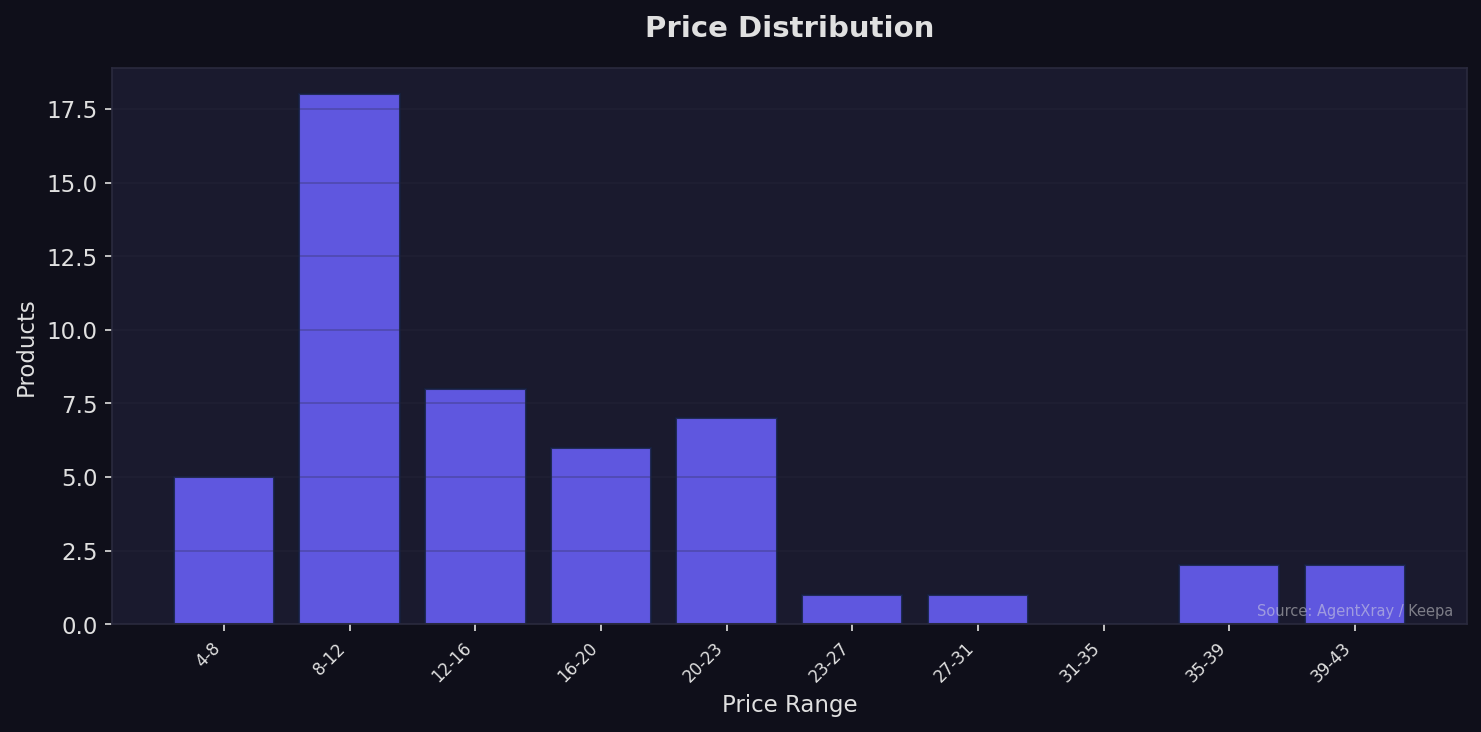 ### Importance of Dynamic Pricing for Sellers For Amazon sellers, dynamic pricing is not just an option—it's almost a necessity. With an average Best Seller Rank (BSR) that's highly competitive yet stable, sellers are operating in a market that demands responsiveness to not fall behind. The average rating of 4.5 indicates that customer satisfaction is crucial, and pricing plays a big part in maintaining that satisfaction alongside product quality. Dynamic pricing ensures that sellers can adapt to shifts in consumer demand or competitor actions in real-time, helping maintain sales velocity and visibility. With the category boasting over 6,823 units sold monthly and generating nearly €4.2 million in total revenue, sellers who adopt effective dynamic pricing stand to capitalize on these figures. More strategic pricing could differentiate a seller in a crowded space, driving better margins by maintaining high sales while adjusting to market conditions. This adaptability ultimately positions them well to maximize returns and sustain growth. ## Benefits of Using an Amazon Repricing Tool Utilizing an Amazon repricing tool can significantly enhance your sales performance and competitive positioning in the marketplace. Here’s how these tools make a real difference in key areas such as increased sales velocity and competitive edge. ### Increased Sales Velocity An Amazon repricing tool can dramatically boost your sales velocity by automatically adjusting prices in response to market changes. In a market where the average product moves 6,823 units monthly, even slight changes in pricing can amplify your sales volume substantially. With a total market revenue of nearly €4.2 million, capturing even a small share with optimized pricing leads to a significant revenue boost. This is especially true in competitive categories where products have a narrow **Best Seller Rank (BSR)** range, indicating consistent performance. An effective repricing strategy ensures that you remain attractive to price-sensitive customers while maximizing unit sales to outpace competitors. 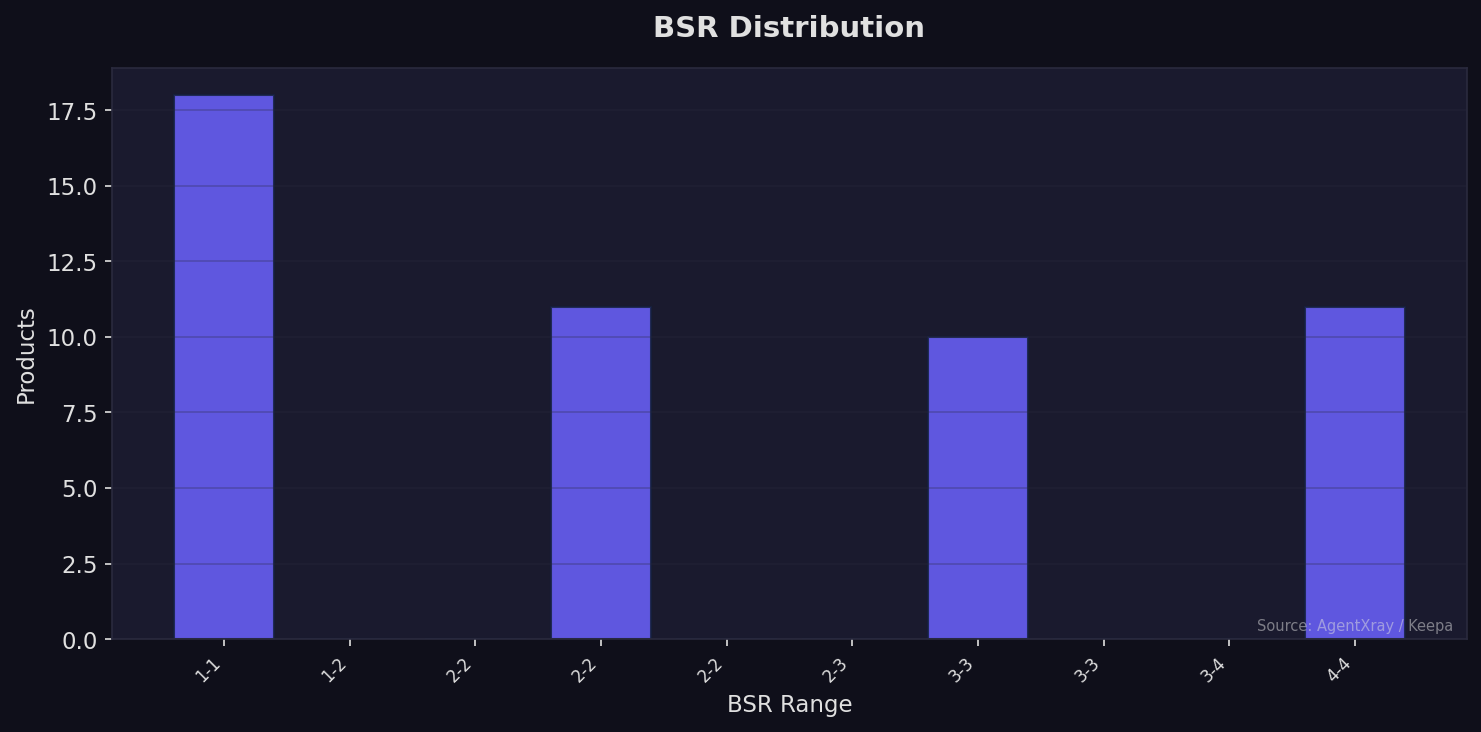 ### Competitive Edge Repricing tools provide a competitive edge by allowing sellers to stay agile in fluctuating market conditions. The price span from €3.90 to €42.99 indicates a diverse market with opportunities for both low-cost leaders and premium differentiators. Utilizing a repricing tool means you can seamlessly adapt your strategy to capture both ends of this spectrum depending on your margin goals and competitor movements. Additionally, the high average rating of 4.5 across products highlights the importance of positioning yourself effectively to prospective buyers who trust the ratings as a quality signal. These tools help in maintaining optimal pricing that aligns with customer expectations and competitor actions, ensuring you remain visible and competitive in a saturated market. By managing prices dynamically, sellers can keep pace with the evolving landscape and seize opportunities for higher profitability effectively. In summary, adopting a dynamic repricing tool not only maintains competitive pricing but also encourages higher sales volumes, leading to sustained revenue growth. With the right tool, sellers are better equipped to navigate pricing complexities and position their products for success on Amazon. ## Key Features of Effective Repricing Software ### Real-Time Price Adjustments An essential feature of effective repricing software is its ability to adjust prices in real time. In a market where the average product price varies from €3.9 to €42.99, speed can be the difference between securing a sale and losing out to a competitor. Real-time adjustments allow sellers to respond immediately to market changes, ensuring they remain competitive. This is especially critical given the minimal variance in Best Seller Rank (BSR) values across the competitive landscape. With products often trading places in a tight BSR range, quick responsiveness can help maintain or boost rankings. The €15.53 average price suggests that many products are priced toward the lower-middle end — where small price changes can directly affect consumer decisions. Repricing software with real-time capabilities can capitalize on these dynamics by automatically adjusting prices based on factors like competitor pricing and stock levels. ### Algorithm-driven Pricing Strategies Algorithm-driven pricing strategies are another critical feature that distinguishes high-quality repricing tools. These algorithms analyze various factors, such as past sales data, competitor actions, and market trends, to determine optimal pricing strategies. In a market generating €4.2 million in total revenue — with the top 10 products reaping approximately €2.67 million — these algorithms identify opportunities for price optimization without sacrificing volume sales. Given the market's average monthly sales of 6,823 units, staying attuned to pricing fluctuations can significantly impact revenue. Most products maintain an average rating of 4.5, indicating high customer satisfaction; thus, an algorithmic approach can help maintain that satisfaction by ensuring price consistency and competitiveness. By incorporating historical data and modeling future trends, these algorithms can simulate various scenarios to offer sellers valuable guidance on pricing strategies that maximize profit while maintaining competitive positioning. Both features — real-time adjustments and algorithm-driven strategies — empower sellers to navigate the complex dynamics of Amazon marketplace pricing with agility and precision. ## Top Tools for Automated Repricing Automated repricing software can be the defining factor for Amazon sellers seeking to optimize their pricing strategy and maintain competitiveness. With a market boasting an average sales volume of 6,823 units per month and generating nearly €4.2 million in total revenue, the benefits of reducing pricing inefficiencies are clear. ### Overview of Popular Repricing Software As the Amazon EU marketplace, particularly Germany, continues to grow, having the right repricing software becomes essential. Popular tools like RepricerExpress, BQool, and Informed.co help sellers navigate the constantly shifting landscape of product pricing. For sellers dealing with products where average prices hover around €15.53, yet can reach heights of €42.99, these softwares can effectively adjust prices to match market demand while maximizing profit margins. These tools not only automate the pricing process based on predefined rules but also monitor competitors’ price movements in real-time. BQool, for instance, is known for its ability to adjust prices swiftly as soon as a significant competitor change is detected. This dynamic adjustment is crucial in a competitive market where the Best Seller Rank remains quite stable, with averages tightly grouped, ensuring product visibility and consistent sales. ### Comparing Features and Pricing When choosing an automated repricing tool, it's essential to compare their features carefully against the costs. While RepricerExpress offers strong customization options for rule-based pricing strategies—ideal for maintaining an average price while capitalizing during peaks—it might not provide the same level of competitor insights as Informed.co. Pricewise, these tools often offer tiered plans; RepricerExpress starts at around €50 monthly, which increases with advanced features or additional SKU capacity. Conversely, Informed.co can be more expensive upfront, typically justifying the price with a richer feature set tailored for larger Amazon enterprises that manage thousands of products. It's also important to consider integration capabilities with Amazon Seller Central, where seamless data exchange and execution of pricing algorithms can enhance performance further. Sellers should weigh cost against expected benefits, especially in markets with average ratings of 4.5 and high customer engagement displayed by the notably high review counts—over 100,000 on average. The goal for sellers is finding a repricer that suits their specific needs, whether that is improving margins in high-priced niches or increasing turnover in high-volume categories. As your sales increase, the expected revenue from effective repricing can well outweigh the software's cost, making the right choice of tool a strategic investment. 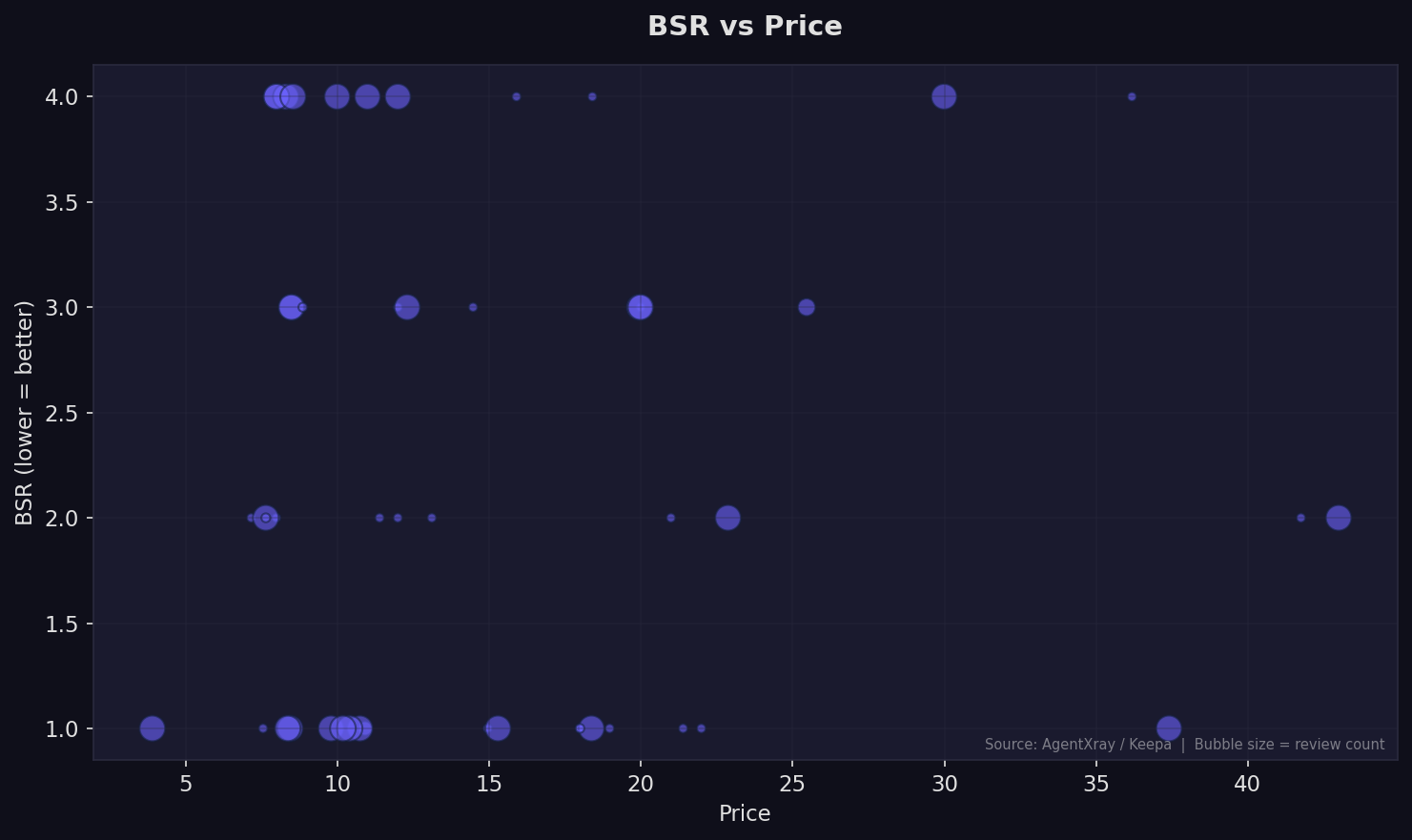 ## Common Traps and Pitfalls to Avoid ### Misunderstanding Market Dynamics Navigating the market dynamics of Amazon's EU marketplace can be challenging, especially when dealing with a category where the average product boasts over 100,000 reviews. This kind of high customer engagement signals that these markets are fiercely competitive. Sellers often mistake a strong average monthly sales figure of 6,823 units for a guarantee of easy success. The reality is more nuanced; products within this category maintain an exceptionally high average price of €15.53 yet vary widely, topping out at €42.99. This implies that buyers are willing to pay more for top-tier offerings, but sellers looking to compete in the higher price bracket must ensure their products justify it. Furthermore, the average Best Seller Rank (BSR) of 2, with minimal variation, underscores a consistent performance amongst top products. A narrow BSR range means that one slip in quality or customer satisfaction can significantly impact rank. Sellers entering this market should not just aim at matching these metrics but should strive to exceed in value and consumer experience. Overlook this delicate balance, and you risk being outperformed by competitors who understand the market's subtleties. ### Over-reliance on Automation Automation can be a double-edged sword in Amazon's competitive environment. While tools like Helium10 and JungleScout offer robust data insights and efficiency, relying solely on automation could lead to missed nuances that only human analysis can capture. For instance, an automated script might flag the €42.99 price as an opportunity for profit margins without accounting for the qualitative aspects that justify such a price. There's more to competing effectively than just pricing decisions made by bots. Automation can sometimes miss trends that require human intervention — for example, new shifts in consumer preferences or political changes affecting supply chains. Using tools to track averages like a 4.5-star rating and 103,482 reviews gives a surface-level glance but fails to inform deeper strategic choices that consider customer sentiment over time. Automation will optimize workflows, but vigilance in observing market changes is crucial for success. Know when to override automated decisions with human insight to avoid becoming pigeonholed by rigid scripts. In summary, the key to thriving in Amazon's EU markets is to understand the deeper currents beneath the data. Automation aids efficiency, but the human understanding that shapes strategy will define success in this crowded space. ## Best Practices for Implementing Repricing Strategies Repricing is vital for staying competitive in Amazon's fast-paced marketplaces. These strategies help sellers optimize their pricing for profit margins and ensure their products stay attractive to consumers. Let's look at two key practices: setting competitive prices and monitoring market trends. ### Setting Competitive Prices To set competitive prices, understanding the range and distribution of existing prices in your category is crucial. The average price in this market sits at €15.53, but it stretches from a minimum of €3.90 to a maximum of €42.99. This indicates a substantial range within which sellers can strategically place their products depending on quality, brand strength, and consumer perception. The low price standard deviation of €9.13 suggests that even beyond the average price, there is plenty of room for strategic repricing without risking product perception. This wide range can offer you use to maximize profits, especially if you can justify being in the upper price bracket with a high-quality or premium offering. Given the average product has over 100,000 reviews and maintains a 4.5-star rating, positioning your product above the median can attract discerning customers looking for value. ### Monitoring Market Trends Regularly monitoring market trends allows sellers to react swiftly to changes in consumer demand and competitor pricing. With a narrow Best Seller Rank (BSR) range – averaging around 2 but staying primarily between 1 and 4 – products consistently perform within a competitive tight space. This means any price changes need backing by market insights to ensure they don't negatively impact your product's visibility. High customer engagement, as indicated by average monthly sales of 6,823 units and a total market revenue of nearly €4.2 million, signals that this category is dynamic. Tracking these sales trends ensures timely adaptations of pricing strategies and helps in maintaining or improving your product's ranking. Monitoring should involve keeping an eye on top revenue earners and their pricing strategies to inform your own pricing. Implementing these best-practices using the best EU seller tools can be crucial for efficiently managing repricing strategies across multiple Amazon marketplaces, ensuring consistent success in a competitive environment. For deeper insights, check out our comprehensive guide on [Amazon Pricing Strategy for EU Sellers](/blog/amazon-pricing-strategy-eu-sellers). In a competitive marketplace where the average product engagement is significantly high, repricing can make a substantial difference. In our analysis, the top 10 products are responsible for approximately 63% of the total market revenue — that's €2,671,500 out of €4.2 million. This indicates that even a small percentage of top-tier products can heavily influence market dynamics. The minimal variation in the Best Seller Rank (BSR), averaging around 2 and ranging between 1 and 4, further underscores the steady performance of these top-selling items. What's notable is the stark contrast between the average price of €15.53 and the maximum price of €42.99, which hints at a range of pricing strategies that allow for diverse approaches based on position and demand. 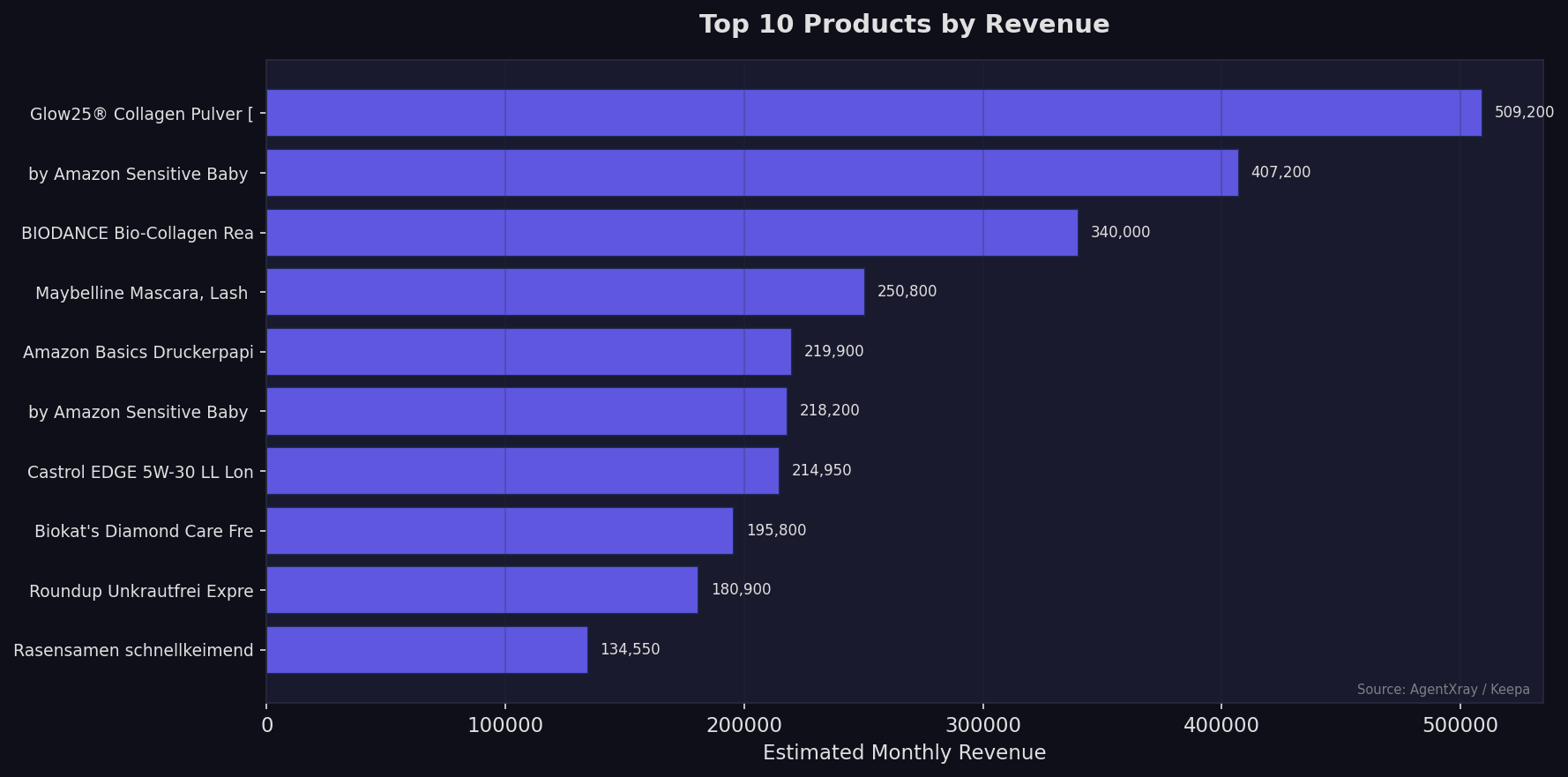 ### Lessons Learned One major takeaway from examining these top performers is the balance between pricing and product quality. With an average rating of 4.5 and over 100,000 reviews per product, it's clear that customer satisfaction and engagement are as critical as competitive pricing. Another lesson is the importance of identifying pricing sweet spots. The price variation — from an average of €15.53 to a peak of €42.99 — suggests that products haven't just competed on price, but have also differentiated themselves in quality or branding to reach higher price points. Sellers can thus explore premium pricing for superior features or unique selling propositions. Finally, maintaining regular reviews and customer interaction helps sustain a high BSR, which is crucial for visibility and sales consistency in this narrow and competitive marketplace. In summary, successful repricing isn't solely about undercutting competitors. It's about intelligent positioning that factors in market data, consumer behavior, and product differentiation. If you're trying to break into the competitive tier, consider these strategies to optimize your repricing efforts. --- Navigating dynamic repricing on Amazon can feel like riding a rollercoaster — exhilarating, but risky if you're unprepared. In the 50-product sample behind this article, the top 10 products account for roughly 63% of category revenue, which is exactly the concentration that automated repricing tools are built to chase. Yet a common trap is neglecting to factor in minimum profit margins, leading to underpricing that squeezes profits. The real winners balance speed with strategy — employing tactics like conditional pricing triggers ensures they don't just chase the lowest price, but rather the optimum price that maximizes both sales and profit. AgentXray helps you track these pricing trends automatically, so you're always one step ahead in the repricing game. Whether you're optimizing for the Amazon.de marketplace or tackling the complexities of Amazon.fr, we've got tools to keep your strategy sharp without breaking a sweat. --- ## About this article This article was researched and drafted with AI assistance. Before publication, it passed automated editorial review against Avanta Global EOOD's published editorial standards (factual accuracy, source attribution, voice & readability). Our [editorial standards page](/disclosure) documents exactly what we check. We continuously monitor published content for accuracy and update articles when new information emerges. Learn more about our [editorial process](/disclosure) and the team [behind AgentXray](/about). *Want to run your own analysis? [Try AgentXray](https://agentxray.ai).* ## Related reading - [amazon repricing automation](https://agentxray.ai/blog/amazon-repricing-automation-ai-strategies) - [complete guide to amazon product research](https://agentxray.ai/blog/find-profitable-products-amazon-eu-data) - [this related guide](https://agentxray.ai/blog/hidden-cost-us-amazon-tools-eu-sellers) - [AgentXray's us amazon fba tools fail european sellers (and what to do about it) analysis](https://agentxray.ai/blog/why-us-amazon-tools-fail-european-sellers)
About this article
This article was researched and drafted with AI assistance. Before publication, it passed automated editorial review against Avanta Global EOOD's published editorial standards (factual accuracy, source attribution, voice & readability). Our editorial standards page documents exactly what we check. We continuously monitor published content for accuracy and update articles when new information emerges. Learn more about our editorial process and the team behind AgentXray.