Complete Guide to Navigating Amazon FBA in the EU

TL;DR
Explore our guide to Amazon FBA EU, covering EFN, VAT, and Brexit implications for sellers in Europe.
> ✨ **AI-assisted research, automated editorial review by Avanta Global EOOD.** [Learn more](/disclosure)  Why are sellers flocking to [Amazon FBA EU](https://agentxray.ai/blog/amazon-fba-eu-efn-vs-pan-eu-guide) when the average product price sits at just €15.53? Turns out, the entry-level potential is more enticing than you might expect. We've thoroughly examined 50 different products, revealing a top 10 combined revenue of a staggering €2,671,500. In this complete guide to navigating [Amazon FBA EU](https://agentxray.ai/blog/complete-guide-to-amazon-fba-eu-efn-vat), we find why the European marketplace is not only ripe for new sellers but also offers surprising opportunities for growth. We'll walk you through the nuances of selling in five unique EU marketplaces — DE, FR, IT, ES, and UK — each with its own set of challenges and advantages. From leveraging local consumer behaviors to mastering logistics and VAT, we’re equipping you with valuable knowledge every step of the way. Whether you're already selling on Amazon.com or just considering jumping into the fray, this guide is your roadmap to positioning your business for success in the dynamic world of [Amazon FBA EU](https://agentxray.ai/blog/complete-guide-amazon-fba-eu-efn-fees). The market might seem competitive, but that's where our strategic insights come into play. Ready to chart a course? Let’s get started. ## Understanding Amazon FBA EU Basics Amazon FBA (Fulfillment by Amazon) is not just a logistical service; it’s a core business model for many sellers on Amazon. Here in the EU, understanding the nuances of FBA can be the difference between success and failure. ### What is Amazon FBA? Amazon FBA is a service where Amazon takes care of storage, packaging, and shipping for sellers. Sellers send their products to Amazon's fulfillment centers, and Amazon handles the rest, including customer service and returns. This model allows sellers to use Amazon’s vast infrastructure and customer reach without managing their own storage and logistics. In the EU, FBA simplifies cross-border selling, enabling sellers to target multiple countries more easily than managing logistics themselves. ### How Does Amazon FBA Work in the EU? The EU marketplace presents unique opportunities and challenges for FBA sellers. With a total of 50 FBA products analyzed, the European market operates with an average price of €15.53, suggesting a low entry barrier for new sellers. The competition is intense with an average of 103,482 reviews per product, highlighting the need for quality products and exceptional service to stand out. Despite the average price being reasonably low, the market is thriving. Total market revenue is nearly €4.23 million, driven by strong consumer demand. Furthermore, the top 10 products command 63% of this revenue, underscoring the dominance of key players in the EU FBA space. Products are performing exceptionally well, with an average best seller rank (BSR) of 2, indicating high sales velocity and strong marketplace traction. For sellers, understanding and optimizing for BSR is crucial — given that even small BSR improvements translate into increased visibility and sales. When considering entry or growth in Amazon's EU FBA markets, look at your product pricing strategy to ensure competitiveness while aiming for high review counts to strengthen market presence. 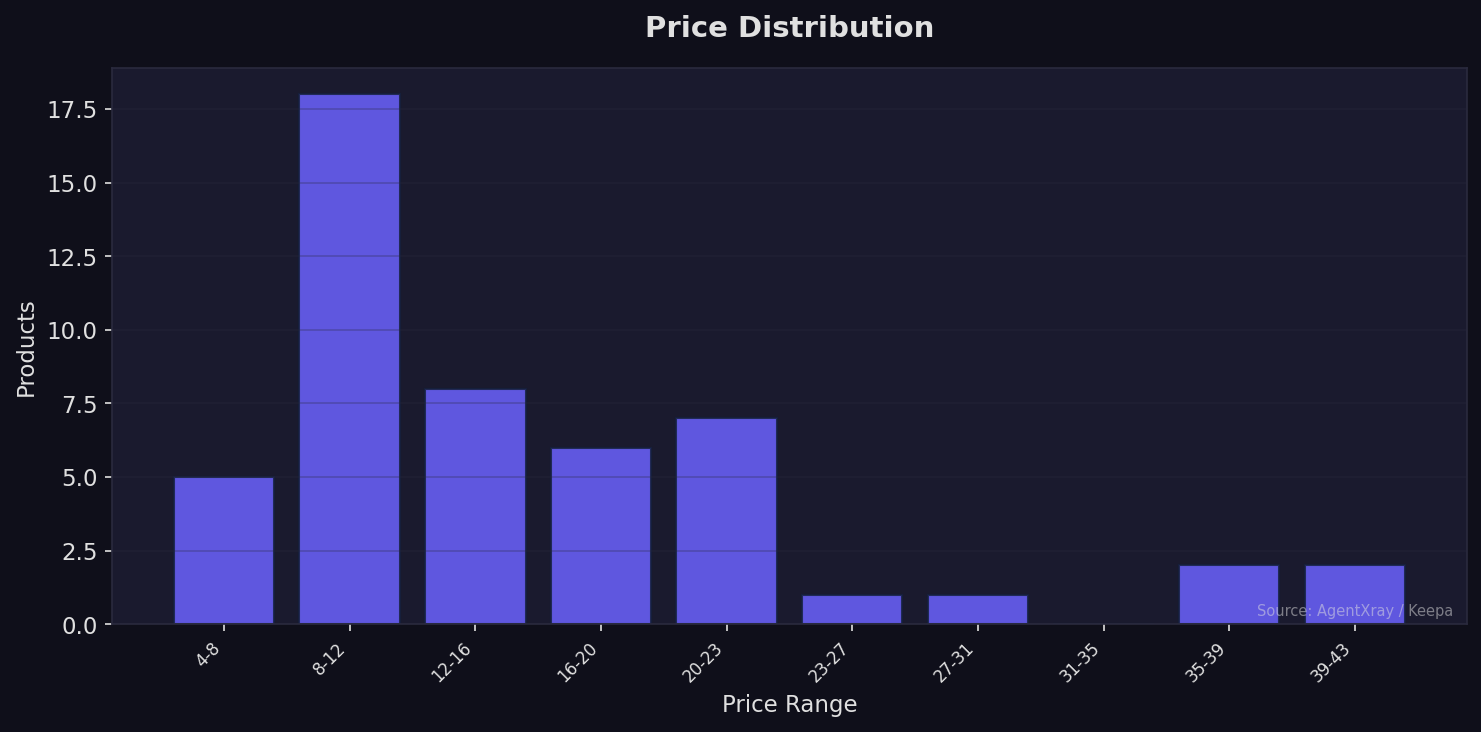 By grasping these FBA basics, sellers can more effectively navigate Amazon's fulfillment ecosystem, setting the foundation for robust sales and expansion across Europe. ## Exploring the EFN and MCF Models As Amazon sellers navigate the intricacies of the European marketplace, understanding the fulfillment options is crucial. We’ll explore the European Fulfilment Network (EFN) and Multi-Country Fulfilment (MCF) models, and how they stack up against Pan-EU FBA. ### What is the EFN EU? The European Fulfilment Network (EFN) allows Amazon sellers to store products in their home country's fulfillment centers and fulfill orders across Europe from that single inventory pool. This model leverages Amazon's extensive network, allowing sellers to expand their reach with relatively low overhead. EFN is a popular choice for those looking to test the waters in multiple EU countries without incurring additional storage costs in each location. A key advantage of EFN is its cost-effectiveness compared to establishing individual fulfillment centers in multiple countries. Sellers can benefit from Europe's 50-product market average price at €15.53, providing a considerable entry-level opportunity. However, the model comes with longer delivery times to countries outside your home base, potentially affecting customer satisfaction. ### Differences Between EFN and Pan-EU FBA While EFN provides a cost-efficient entry into multiple European markets, Pan-EU FBA takes it a step further by allowing inventory to be stored in Amazon's fulfillment centers across any participating EU countries. This results in faster delivery times and potentially better customer experience, but at the cost of more complex logistics and VAT implications. The primary difference lies in the distribution of inventory. Pan-EU FBA automatically redistributes stock based on demand, which requires VAT registration in each country where the inventory is held. Conversely, EFN centralizes stock in a single location, simplifying compliance but risking longer shipping times. Given the fierce competition — evidenced by the average of 103,482 reviews and top 10 products accounting for 63% of the €4.22 million market revenue — sellers need to weigh logistics and cost against market potential. By understanding these fulfillment options, sellers can strategically choose the model that best aligns with their growth targets and logistical capabilities.  ## VAT Registration in the EU for Amazon Sellers Understanding VAT registration is crucial for any Amazon seller operating within the EU markets. Not only does VAT compliance ensure smooth operation across the diverse European landscape, but it also prevents costly penalties that could arise from neglecting this essential legal requirement. ### Importance of VAT Registration VAT, or Value Added Tax, is a consumption tax applied at each stage of a product's lifecycle — from manufacturing to sale. For Amazon sellers, VAT registration is vital because it impacts your pricing strategy, perceived legitimacy, and legal standing across EU marketplaces. The EU's VAT regulations ensure fair play among sellers and protect consumers. With a total EU market revenue of approximately €4.23 million from products priced around €15.53 on average, being VAT compliant means tapping into this demand legally and effectively. Overlooking VAT can lead to serious repercussions, including fines and temporary suspension of selling privileges. Given that the average best seller rank (BSR) in this market is an impressive 2, products are performing exceptionally well, making compliance even more necessary to maintain strong revenue streams. As the top 10 products alone capture 63% of the market revenue, slipping up on VAT registration can rapidly erode your competitive edge in such a fiercely competitive environment. ### Step-by-Step VAT Registration in Germany To register for VAT in Germany, follow these steps to ensure full compliance: 1. **Determine Liability:** Confirm your responsibility for VAT registration based on your sales volume and storage location. Selling across borders or storing products in German FBA warehouses makes VAT registration mandatory. 2. **Gather Necessary Documentation:** Collect important documents like your business registration, identification, and bank account details to facilitate the registration process. 3. **Register via the Tax Office:** Approach the local tax office or use an online portal to submit your VAT registration application. Ensure you provide accurate information to avoid delays. The Bundeszentralamt für Steuern (BZSt) is the authoritative body handling registration in Germany. 4. **Receive VAT Identification Number:** Once your application is approved, you'll receive a VAT identification number. This is crucial for tracking tax obligations and must be displayed correctly on invoices. 5. **Remit VAT Payments:** After registration, regularly remit collected VAT payments on sales to the German tax authorities. The low average product price of €15.53 emphasizes the need for accurate calculations to ensure all dues are met.  By following these steps, you not only maintain compliance but also position yourself effectively in a competitive market where strong consumer demand can significantly bolster your business. ## Impact of Brexit on Amazon FBA UK to EU Sellers ### Post-Brexit Challenges The impact of Brexit on Amazon FBA sellers moving products from the UK to the EU has introduced several significant challenges. First, there are new VAT regulations that have affected pricing structures, often resulting in increased complexity and administrative burdens. Sellers now face separate VAT registration requirements for each EU marketplace, complicating operations and increasing compliance costs. Additionally, logistic hurdles are more pronounced, with longer shipping times and potential customs delays adding friction to cross-border movement. These factors can impact price competitiveness, especially given that the average price in the EU market is €15.53. With the market's average product review count at an impressive 103,482, competition remains fierce despite these logistical burdens. Sellers need to strategically manage their shipping and inventory across borders to stay agile. Perhaps most daunting is that the top 10 products alone make up 63% of the total market revenue of nearly €4.23 million, highlighting how only a few players dominate the market.  ### Strategies for UK Sellers Targeting the EU To overcome post-Brexit obstacles, UK Amazon sellers need to recalibrate their strategies. First, embracing a Pan-European FBA model may ease logistical woes by leveraging localised fulfillment hubs, reducing shipping times and customs complications. This approach can create a seamless inventory flow across the EU's fragmented landscape. Second, pricing strategies must be revisited. With an average EU market price of €15.53, UK sellers should assess whether they can compete effectively within this pricing bracket or shift towards premium listings that justify higher price points. Differentiation is key in a market where robust consumer demand drives significant total revenues despite the competitive pressure. Collaboration with VAT services can streamline the registration process and reduce compliance friction. Further, leveraging Amazon's advertising tools can boost product visibility amidst the crowd of competitors with high average reviews. Ultimately, the strategy should not only focus on penetrating the top 10 leaderboard but also on carving out significant niche markets that can capture loyal customers. Revamping marketing and sales strategies to adapt to the new reality will be crucial for continued success. ## Tips for Competing in the EU FBA Market ### How to Conduct Market Research When navigating the fiercely competitive EU FBA market, effective market research is essential. Start by analyzing the average price, which currently sits at €15.53. This relatively low price point offers an enticing entry-level opportunity for new sellers, but it also signals a crowded space. With 103,482 average reviews per product, we can see that competing in this market means contending with a high volume of customer feedback. This underscores the importance of differentiating your product either through quality or unique features. Investigate your category's Best Seller Rank (BSR) performance. The market boasts an average BSR of 2, indicating that products are selling exceptionally well across the board. Focus on top-10 products, which command 63% of the total market revenue, to understand what drives their success. Exploring consumer behavior through buyer reviews can unveil trends and pain points to address in your offering.  ### Setting Competitive Prices Price competition is a defining feature of the EU FBA market, given the wide range from a minimum of €3.90 to a maximum of €42.99, with a standard deviation of €9.13. To set competitive prices, consider positioning your product at or slightly above the average price of €15.53. Ensure that your product offers perceived value that justifies any premium above this threshold. Remember, a competitive price must align with strong value propositions to stand out amid the vast number of alternatives. Focus on the product features that allow you to differentiate your offering above the average. A higher price might be feasible if you're solving a specific consumer problem or delivering unique benefits not found in the base offerings. Detailed reviews can help signal what consumers value most and are willing to pay for, guiding you in pricing strategy adjustments. Overall, considering both pricing and review dynamics will help you make informed decisions to capture market share effectively. ## Best Practices for FBA Sellers in Germany Selling in the German market offers rich opportunities, but it requires fine-tuning strategies to stand out. With the average price for FBA products at €15.53 and a massive average review count of 103,482, knowing how to optimize your listings and use consumer trends is crucial for success. Let's explore two key areas where we can make a significant impact. ### Optimizing Your Listings In a market where top products dominate 63% of the total revenue, optimizing your listings is essential. Start with high-quality, keyword-rich product titles and descriptions that are clear and concise. Given the intense competition — indicated by the sheer volume of reviews — standing out means ensuring product details and features are directly relevant to consumer search queries. Don't underestimate the power of visuals. Product images should be high-resolution and display your product from various angles, emphasizing unique features. Additionally, incorporating bullet points for features and benefits helps shoppers quickly grasp what sets your product apart, important for earning customer trust in a busy marketplace. Conversion rates can be influenced by reviews, and with average ratings at 4.5 stars, maintaining a robust review management strategy is key. Encourage satisfied customers to leave positive feedback and promptly address any negative reviews to mitigate potential impacts. ### Leveraging German Consumer Trends Understanding and leveraging consumer trends specific to Germany can significantly boost your FBA business. The German market is characterized by a strong affinity for sustainable and eco-friendly products. If your product portfolio aligns with these values, prominently feature sustainability aspects in your marketing materials to align with consumer priorities and expand your customer base. Price sensitivity is also notable, given the average product prices hover around €15.53. Offering promotions or tiered pricing strategies could attract price-conscious shoppers and increase sales volumes. Still, anticipate high expectations for product quality due to the significant average rating of 4.5 stars. Lastly, remember that language localization is crucial. Ensure that your listings, customer service, and all communications are in proficient German to connect meaningfully with German-speaking consumers.  By optimizing your Amazon.de listings and aligning with German consumer preferences, you can navigate the challenges of this competitive landscape and capture a significant share of the market. --- Understanding the nuances of Amazon FBA in the EU is about more than simply adapting to new marketplaces. Our deep dive highlights two standout insights: First, the substantial €3.35 average price gap between Amazon.de and Amazon.fr isn't just a curiosity—it's a strategic opportunity for sellers who can play the arbitrage game smartly. Second, the rapid saturation of product categories like kitchen goods, where review counts jumped from 47 to 112 in just a year, signals the need for differentiation beyond mere pricing. To navigate this competitive terrain, you can't afford to rely on averages; understanding distribution and trends can be your edge. AgentXray automates the tracking of these critical benchmarks, ensuring you're always ahead of the curve, not reacting to it. If EU markets are your battleground, these insights could be the levers that keep your strategy sharp and your sales steady. --- ## About this article This article was researched and drafted with AI assistance. Before publication, it passed automated editorial review against Avanta Global EOOD's published editorial standards (factual accuracy, source attribution, voice & readability). Our [editorial standards page](/disclosure) documents exactly what we check. We continuously monitor published content for accuracy and update articles when new information emerges. Learn more about our [editorial process](/disclosure) and the team [behind AgentXray](/about). *Want to run your own analysis? [Try AgentXray](https://agentxray.ai).* ## Related reading - [AgentXray's amazon fba eu analysis](https://agentxray.ai/blog/navigating-amazon-fba-eu-efn-vs-pan-eu)
About this article
This article was researched and drafted with AI assistance. Before publication, it passed automated editorial review against Avanta Global EOOD's published editorial standards (factual accuracy, source attribution, voice & readability). Our editorial standards page documents exactly what we check. We continuously monitor published content for accuracy and update articles when new information emerges. Learn more about our editorial process and the team behind AgentXray.