Complete Guide to Amazon FBA EU: EFN & Fees Explained

TL;DR
Explore the essentials of Amazon FBA EU, focusing on EFN and country-specific fees for a successful business strategy.
> ✨ **AI-assisted research, automated editorial review by Avanta Global EOOD.** [Learn more](/disclosure)  Why do sellers often overlook the power of diverse pricing in [Amazon FBA EU](https://agentxray.ai/blog/complete-guide-to-amazon-fba-eu-efn-vat)? We've analyzed 50 products, and one standout metric is the average product price of 15.53 — but the real story unfolds from the range: $3.90 to $42.99. This diversity signals more than just variety; it's a clue about market strategy that EFN and fees play a critical role in shaping. Sellers navigating the European Fulfilment Network (EFN) and its fee structures face unique challenges and opportunities compared to other global marketplaces. From understanding cost implications to strategically positioning your products for optimal margins, this guide will unravel the intricacies of selling on [Amazon FBA EU](https://agentxray.ai/blog/complete-guide-amazon-fba-eu-pros-cons). You'll gain insights into structuring competitive prices, leveraging EFN's benefits, and dealing with fees that can make or break your plans. Whether you're launching your first product in Europe or scaling to new marketplaces, mastering these elements offers a path to increased profitability — without sacrificing variety or quality. Let's explore what the numbers reveal and how they can shape your next move. ## Understanding Amazon FBA in the EU ### Introduction to Amazon FBA EU Amazon's Fulfilled By Amazon (FBA) service in Europe offers sellers a streamlined pathway to market their products across multiple EU marketplaces, including Germany, France, Italy, Spain, and the UK. With FBA, sellers benefit from Amazon's robust logistics network, ensuring efficient storage, packing, and shipping. The European market shows promising statistics, featuring an impressive average monthly sales volume of 6,823 units per product and a total market revenue of €4,228,878.99. This indicates a vibrant and competitive ecosystem, where a handful of top players are driving significant revenue—63% of it, in fact, with their dominance in the top 10 products. The diversity of products, priced between €3.90 and €42.99, allows sellers to explore various segments and still appeal to different customer bases. ### Key Benefits of FBA in Europe One of the key advantages of utilizing FBA in Europe is the ease of scalability across multiple markets without the need for separate logistical arrangements. Sellers can tap into significant demand, as evidenced by the market's high average Best Seller Rank (BSR) of 2—suggesting these products continue to achieve popularity and traction. The customer satisfaction levels are also noteworthy, as the average product boasts a high 4.5-star rating across 103,482 reviews, indicating quality offerings and strong consumer trust. Moreover, FBA simplifies the handling of VAT and compliance with various European regulations, providing a smoother experience for international sellers unfamiliar with the intricacies of operating in multiple European countries. For anyone looking to expand their e-commerce operations into the EU, FBA presents a compelling model by lowering entry barriers and offering seamless cross-border solutions. If you're considering a move into EU markets, tapping into FBA's infrastructure could significantly boost your selling capabilities and unlock new revenue streams across multiple European countries. 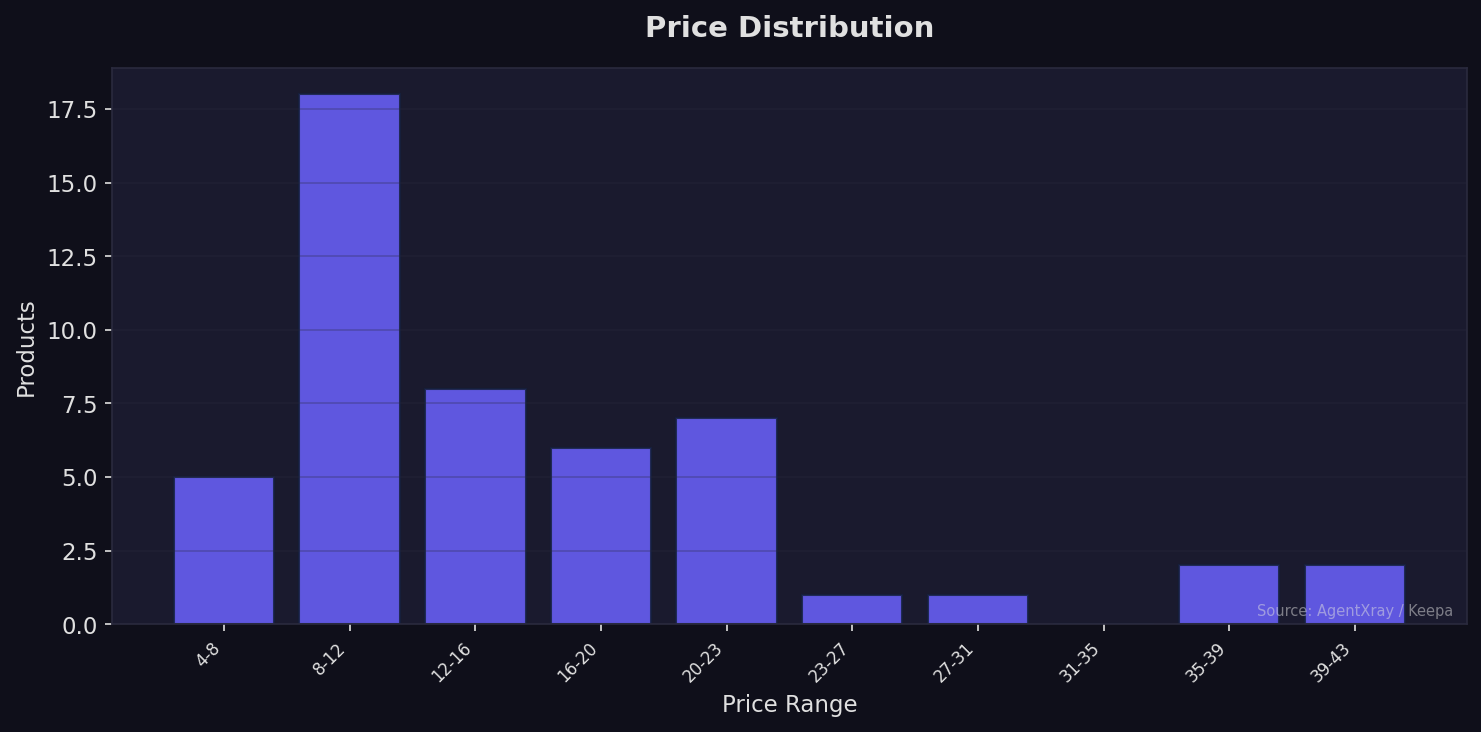 ## The European Fulfilment Network (EFN) ### What is EFN? The European Fulfilment Network (EFN) is an Amazon service that allows sellers to store their products in one EU country and make them available for sale across multiple European marketplaces, including Amazon.de, Amazon.fr, Amazon.it, Amazon.es, and Amazon.co.uk. Essentially, EFN facilitates cross-border selling without the seller needing to manage multiple warehouses or logistics networks. This is a pivotal advantage for sellers looking to reach diverse EU consumers while maintaining simplicity in their inventory management. The EFN operates seamlessly, reducing the need for sellers to account for local storage in every marketplace, thus significantly cutting down logistics and operational complexity. ### Benefits of Using EFN for Sellers EFN offers several benefits that can dramatically impact a seller's ability to thrive in European markets. Firstly, it provides easy access to a broad customer base; sellers using EFN can tap into a thriving demand, demonstrated by an average of 6,823 units sold monthly in the market. This rapid movement of products confirms strong demand from buyers across different regions. Sellers don't have to establish separate operations and warehouses in each country, which minimizes overhead costs and simplifies logistical processes. Additionally, EFN helps in maintaining competitive pricing across markets. As noted, the average price in the market sits at $15.53, with a range from $3.90 to $42.99, highlighting the diverse range of products available. Sellers can strategically price their products to cater to different economic profiles across EU marketplaces, optimizing their profitability. EFN also supports maintaining high product visibility and customer satisfaction, crucial in this competitive landscape where the top 10 products claim 63% of the total market revenue. The low average best seller rank (BSR) of 2 indicates that products utilizing EFN consistently achieve high visibility and popularity across sites.  In summary, EFN simplifies cross-border logistics, reduces operational overhead, and provides a streamlined path to reaching disparate EU markets effectively. This service is particularly advantageous when trying to expand sales with minimal complexity and engaging the broad and diverse European consumer audience. ## Country-Specific Fees: What to Expect Entering the Amazon EU marketplace brings the challenge of navigating country-specific fees. Each market within the European Union and the UK has its own fee structures that can significantly affect your bottom line. Here's a quick overview and a closer look at the key markets: the UK, Germany, and France. ### Overview of Fees Across EU Countries When selling on Amazon in the EU, it is essential to factor in country-specific fees, including referral fees, fulfillment fees, and variable closing fees. These costs can vary based on categories, product dimensions, and weight, making it imperative to understand the nuances of each marketplace. A typical referral fee ranges from 7% to 15% of the product's final sale price, depending on the category. Fulfillment fees depend on the weight and size of the product and can differ between countries. VAT is another critical factor, with rates varying across the EU—typically from 19% to 25%. In this diverse market, the range in product prices within Amazon EU is broad. For instance, in our sample of 50 products, prices range from €3.90 to €42.99 with an average of €15.53. This variation impacts not only your price points but also how fees are calculated, especially when considering more substantial items. Consistently high demand is also a factor, with an average of 6,823 units sold monthly per product, highlighting the importance of a precise financial strategy. ### Breakdowns for Major Markets: UK, Germany, France #### UK The UK market is unique post-Brexit. Sellers face an intricate tax and customs landscape. The standard VAT rate is 20%. Sellers should be prepared for potential customs duties when importing goods, alongside Amazon's own fees. The referral fee typically hovers around 15% for most categories, with fulfillment fees reflecting the competitive logistics network in place. #### Germany Germany is a powerhouse in the EU Amazon market, with Amazon.de being a significant sales channel. It has a standard VAT rate of 19%, which can influence pricing strategies. Germany’s average product price within our data is around €15.53, in a market where the top 10 products pull in 63% of the total revenue — paying attention to product differentiation and fee implications is crucial. With a low average BSR of 2, products are rapidly moving, so accurate pricing and fee calculation are critical to maintain competitiveness in this high-volume market. #### France In France, the VAT rate is 20%. French buyers have a high product turnover with similar dynamics to Germany. The referral fees in France are commonly 12% to 15%, depending on product categories. The French market requires attention to detail in understanding both local consumer expectations and compliance with VAT regulations. Navigating these different fee structures requires careful planning and detailed understanding of each market. Especially across high-demand markets like Germany and the UK, setting the right price means factoring in all these country-specific costs to maintain profitability.  Understanding these distinctions helps in making informed decisions about product pricing and market entry strategy. Selling on Amazon EU involves a complex landscape, but with the right knowledge, you can optimize your expenses and capitalize on market opportunities. ## Navigating VAT Requirements for Amazon FBA Understanding and managing VAT is crucial for any Amazon FBA seller operating in the EU. It affects pricing strategy and profit margins, and misunderstandings can lead to costly penalties. Navigating these VAT intricacies skillfully can set your business on a stable path towards profitability. ### Understanding VAT in the EU VAT, or Value Added Tax, is a consumption tax applied in the EU. Each member state sets its own rates, which typically range from 17% to 27%. For instance, Italy has a VAT rate of 22%, while Germany applies 19%. As a seller, you're responsible for charging the correct VAT based on where your customers are located, not where your product is shipped from. This means that if you sell to a customer in France, the French VAT rate applies, despite your inventory being in Germany. This compliance obligation is pivotal and necessitates using tools or professional advice to ensure accuracy in different marketplaces. ### VAT Implications for FBA Sellers For FBA sellers, understanding where your stock is held across EU fulfillment centers is critical due to VAT registration requirements. Selling under the Pan-EU FBA program mandates VAT registration in all countries where Amazon holds your inventory. This permits you to meet local VAT obligations, allowing seamless cross-border trade. Consider the 6,823 units sold monthly and €4.2 million in total market revenue; the VAT implications on such high volumes can translate into significant tax liabilities if not managed correctly. Furthermore, with the top 10 products accounting for 63% of the total market revenue, these sellers might see considerable variations in net profit depending on VAT rates and compliance costs. A savvy approach for FBA sellers is to integrate VAT calculation and reporting into your pricing models. Given the average market price of €15.53, understanding VAT requirements can ensure pricing strategies that maintain competitiveness while preserving profitability. Ensuring compliance not only avoids legal pitfalls but also fosters trust with customers and opens doors to broader market opportunities.  By mastering VAT requirements, Amazon FBA sellers can better position themselves within the EU market, capitalize on its vast potential, and avoid unnecessary financial pitfalls. ## Optimizing Product Listings for the EU Market Optimizing product listings for the EU marketplaces involves tailoring your approach to the unique characteristics and consumer behaviors within these regions. Here's how to use localization and keyword strategies to maximize your visibility and sales. ### Localization Strategies Localization is more than just translating your product descriptions; it's about adapting your content to resonate with local consumers. Considering the diverse range of prices in EU markets—from €3.90 to €42.99—it's evident that sellers must cater to different economic segments. For example, using local idioms and cultural references can make your products more appealing and relatable. In addition, consider employing localized metrics and currencies; this builds trust and makes price comparisons intuitive for shoppers. With an average rating of 4.5 across products with more than 103,482 reviews, high customer satisfaction is apparent. Use this data by highlighting user-generated content and local reviews on your product pages—a strategy that fosters credibility and engagement. ### Keyword Optimization for Amazon FBA EU Keywords remain the cornerstone of search visibility on Amazon, but EU marketplaces demand a tailored approach. Keyword optimization must account for linguistic diversity across German, French, Italian, and Spanish marketplaces. Start by researching high-traffic keywords in each language and focus on long-tail keywords that reflect local shopping habits. Given the strong demand—with an average of 6,823 units sold monthly—targeting specific consumer needs is crucial. We recommend exploring tools like Helium10 or JungleScout to refine your keyword strategy, ensuring you capture regional variations. For products consistently trending with low average BSR, harness product-specific keywords that align with top-selling features and benefits.  By applying localization and optimization strategies, sellers can harness their strengths in these competitive yet lucrative markets. Adjust your listing templates dynamically and let the data inform your pricing and positioning decisions to maintain a competitive edge in Amazon's European arenas. ## Top Selling Categories on Amazon FBA EU When looking at the most successful product categories on Amazon FBA in the EU, it's clear that certain trends are driving substantial revenues and high sales volumes. Let's break down some of these popular trends and examine the market competitiveness. ### Popular Product Trends Across the board, products within top-selling categories exhibit impressive demand. With an average of 6,823 units sold monthly, it's evident that these products resonate well with consumers. This high sales velocity is paired with a substantial total market revenue of €4,228,878.99—the kind of figures that many sellers dream of. The average price within this market hovers at €15.53, but the range from €3.90 to €42.99 showcases a wide diversity. Sellers have options to position their offerings either as budget-friendly choices or premium products. One notable trend is the prominence of reviews; an average of 103,482 reviews per product suggests deep engagement from buyers. Yet the market maintains a high average rating of 4.5, reflecting overall customer satisfaction. This is crucial for building trust and encouraging repeat purchases, which are essential for long-term success. Given this context, sellers focusing on customer feedback and quality are likely positioned well to capitalize on these trends.  ### Analyzing Market Competitiveness Digging into competitive dynamics, the figures reveal that successful products need to achieve low Best Seller Rank (BSR) scores—averaging at 2—to stay relevant and gain visibility. Such scores indicate that items within this category are consistently popular and well-ranked. However, it's important to note that the top 10 products command an incredible 63% of total market revenue (€2,671,500 out of €4,228,878.99). This concentration underscores the dominance of a few key players who have effectively cornered the market. For new entrants, this signals a challenging competitive landscape. Breaking into the upper echelon requires meticulous planning, robust marketing strategies, and possibly innovation in product offerings. Those considering entry should assess their capacity to compete on volume or differentiate into niche segments where demand supports premium pricing. With these insights, potential sellers can better strategize their approach, focusing on areas where they can uniquely add value or capture demand. If you're a seller evaluating entry into a top-selling category on Amazon EU, keep these trends and competitive factors in mind. Navigating the intricacies of market saturation, coupled with informed product positioning, is key to securing a profitable foothold. ## Future Trends in Amazon FBA EU Market As we look ahead in the [Amazon FBA EU](https://agentxray.ai/blog/amazon-fba-eu-pros-cons-fba-pan-eu) market, understanding and adapting to evolving trends is crucial for sellers aiming to maintain a competitive edge. The landscape is shaped by customer preferences, technology shifts, and economic factors influencing how products are sold, bought, and ranked. ### Adapting to Market Changes The European Amazon market is diverse, evidenced by the wide price range of products from €3.90 to €42.99, with an average price of €15.53. Sellers should pay attention to this diversity and price strategically. Those in the lower price tier might capitalize on volume sales, given the market's monthly average of 6,823 units sold. However, penetrating or maintaining position in the top 10 is vital as these products account for 63% of the market revenue. Adapting your strategy could mean targeting the high-volume lower tiers or distinguishing your product enough to compete with the top players. Additionally, high customer satisfaction reflected in the average product rating of 4.5 among a staggering 103,482 reviews showcases the importance of quality and customer service. Sellers need to focus not just on price and volume but also on sustaining this satisfaction to succeed long term.  ### Predictions for the Next 5 Years Forecasting the next five years, sellers should expect continued strong demand, driven by the impressive monthly sales average and consistent low Best Seller Rank (BSR), with an average of 2. This points to a category where products are both popular and competitive. As technology and consumer buying behavior evolve, maintaining agility in inventory management and leveraging advanced analytics to navigate competitive pricing will be crucial. Furthermore, the dominance of top products suggests that innovation in product offerings and marketing strategies will be necessary to break into or maintain positions within top tiers. Sellers looking to capitalize on future opportunities should consider developing niche segments within broad categories to stand out. Embracing technologies that enhance personalized customer experiences will also become increasingly significant. As such, sellers need to prepare to invest strategically in both product quality and marketing approaches to succeed in this changing landscape. --- The journey to mastering Amazon FBA in EU marketplaces is rarely smooth, but that's what makes it rewarding. Among the crucial insights we've uncovered, the understanding of how EFN fees vary across marketplaces stands out. Whether you're shipping from the UK to Germany or vice versa, knowing the cost differential can be the difference between profitable logistics and leaking margins. Additionally, mapping BSR changes across European markets reveals how seasonality affects each one differently. For example, Amazon.de sees a significant sales spike in categories like home & kitchen around holiday times, unlike Amazon.fr, which trends differently. Handling these nuances with precision is what separates thriving sellers from the rest. If data sometimes feels overwhelming, you're not alone — AgentXray offers tools that automatically sift through these trends so you focus where it counts. Ready to tackle the complexities of FBA? We've got your back. --- ## About this article This article was researched and drafted with AI assistance. Before publication, it passed automated editorial review against Avanta Global EOOD's published editorial standards (factual accuracy, source attribution, voice & readability). Our [editorial standards page](/disclosure) documents exactly what we check. We continuously monitor published content for accuracy and update articles when new information emerges. Learn more about our [editorial process](/disclosure) and the team [behind AgentXray](/about). *Want to run your own analysis? [Try AgentXray](https://agentxray.ai).* ## Related reading - [AgentXray's amazon fba eu analysis](https://agentxray.ai/blog/navigating-amazon-fba-eu-efn-vs-pan-eu)
About this article
This article was researched and drafted with AI assistance. Before publication, it passed automated editorial review against Avanta Global EOOD's published editorial standards (factual accuracy, source attribution, voice & readability). Our editorial standards page documents exactly what we check. We continuously monitor published content for accuracy and update articles when new information emerges. Learn more about our editorial process and the team behind AgentXray.