Amazon FBA EU: Pros and Cons of FBA vs Pan-EU

TL;DR
Explore the pros and cons of Amazon FBA EU vs Pan-EU, revealing unique seller challenges and benefits. Understanding the marketplace is vital.
> ✨ **AI-assisted research, automated editorial review by Avanta Global EOOD.** [Learn more](/disclosure)  Ever wondered whether [Amazon FBA EU](https://agentxray.ai/blog/amazon-fba-eu-pros-cons-fba-pan-eu) or Pan-EU is the right strategy for scaling your business in Europe? Our analysis of 50 top-selling products reveals a unique landscape: despite an average price of €15.53, these products maintain a stellar 4.5 rating across 103,482 reviews—a testament to customer satisfaction. But here's the kicker: the top 10 products are pulling in staggering combined revenue of €2,671,500. That's a clear signal of the market's potential, but the choice between traditional FBA and Pan-EU strategy can dramatically impact your access to these opportunities. We’ll explore the pros and cons of each model, scrutinizing costs, logistics complexities, and marketplace-specific advantages. Plus, we'll dissect why high reviews and customer ratings haven't disrupted average price ranges. Curious about how sellers are leveraging these insights into tangible growth? Let's break down the facts so you can make an informed decision on your European Amazon FBA journey. Whether you're looking to streamline operations or expand market reach, this exploration into [Amazon FBA EU](https://agentxray.ai/blog/complete-guide-amazon-fba-eu-pros-cons) practices could be your key to strategic planning. ## Introduction to Amazon FBA in the EU Amazon FBA (Fulfillment by Amazon) offers sellers an incredibly efficient way to reach European consumers while handling logistics and customer service seamlessly. With 50 products analyzed in the EU market, it's evident that sellers use this model to meet growing demand. The total market revenue of approximately $4.2 million speaks volumes about FBA's potential. Now let's dig into the specifics of Amazon FBA and its growth trajectory in Europe. ### Overview of Amazon FBA Amazon FBA simplifies the selling process by allowing sellers to store their products in Amazon's warehouses, while Amazon handles shipping, returns, and customer service. This model not only equips sellers with logistics support but also enhances product visibility through options like Amazon Prime. The European market is vast, with prices ranging from €3.90 to €42.99, allowing sellers to cater to a diverse customer base from budget-conscious shoppers to premium buyers. With an average rating of 4.5 across all products, high customer satisfaction is a hallmark of this dynamic marketplace, further emphasizing the robust nature of Amazon FBA. ### Growth of Amazon FBA in Europe The growth of Amazon FBA in Europe is impressive, driven by a yearly revenue in excess of $4.2 million and an average of 6,823 units sold per product each month. The top 10 products generate over 63% of this revenue, indicating substantial demand for high-performing items. What's particularly notable is the high Best Sellers Rank (BSR) of 2 on average, suggesting successful category performance across these products. This growth is also attributed to the seamless cross-border selling opportunities, facilitated by Amazon’s vast Pan-European FBA network. Through steps like registering for the One Stop Shop (OSS), European sellers can expand their reach, targeting multiple marketplaces from Germany to Italy and beyond, thus fueling further expansion. 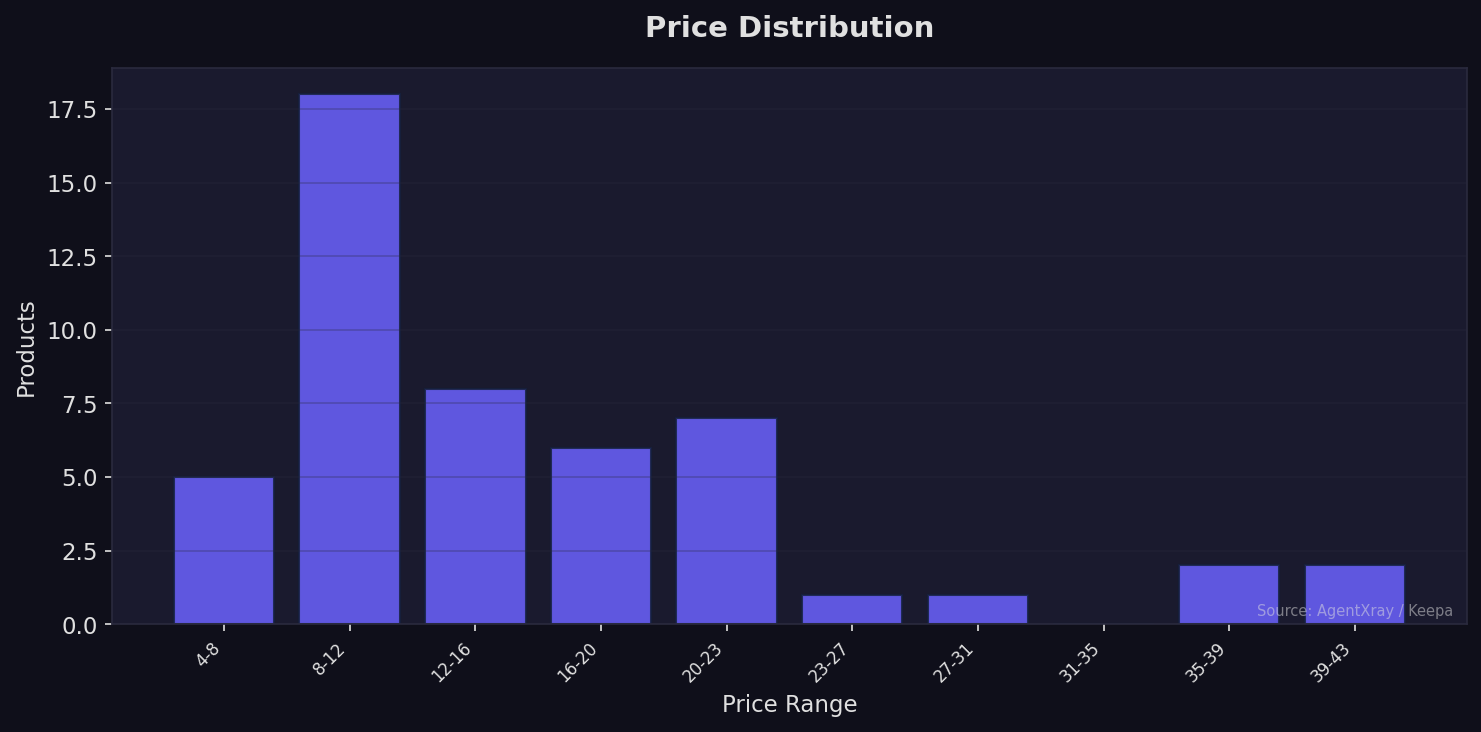 ## What is Pan-EU Fulfillment? Pan-European Fulfillment (Pan-EU) is a strategic program offered by Amazon to streamline and optimize fulfillment processes across European markets. By participating in this program, sellers can efficiently store and ship their products from Amazon's EU-wide network of fulfillment centers. The aim is to enhance product availability while reducing shipping times and costs for cross-border transactions within Europe. ### How Pan-EU Works When you join the Pan-EU program, Amazon distributes your inventory across its fulfillment centers in various European countries. This distribution is based on anticipated demand, allowing your products to be closer to the customer, which results in faster delivery times. As an Amazon seller, you simply need to send your products to a single European fulfillment center, and Amazon takes care of the rest, including storage and local fulfillment. This not only simplifies logistics but also aids in handling multiple currencies and translations, making it an attractive option for those managing diverse European markets. ### Advantages of Joining Pan-EU Participating in the Pan-EU program offers multiple advantages. Firstly, it provides significant cost savings. With prices ranging from €3.90 to €42.99, sellers can maintain inventory across multiple countries without the burden of individual shipping costs. Moreover, the high average rating of 4.5 across 103,482 reviews indicates strong customer satisfaction — a critical factor in enhancing sales in high-demand markets. Another notable advantage is the potential for increased sales velocity. The market's impressive average monthly sale of 6,823 units per product underscores significant consumer demand in Europe. The concentration of success amongst the top 10 products, accounting for over 63% of total market revenue (€2,671,500.00), highlights the power of effective fulfillment strategies. By ensuring product availability in each key market, Pan-EU sellers can maximize their reach and capitalise on this demand.  ## FBA vs Pan-EU: Key Differences When selling on Amazon within Europe, sellers often face a choice between Fulfillment by Amazon (FBA) and Pan-European FBA (Pan-EU). Each option has distinct implications for fulfillment and pricing structures, which can significantly affect operational strategy and profit margins. ### Fulfillment Differences FBA is the traditional model where products are stored locally in Amazon's warehouse facilities and shipped domestically. This option suits sellers targeting specific national markets, like Amazon.de or Amazon.fr, without extending their logistical reach across EU borders. Meanwhile, Pan-EU FBA allows sellers to store goods in one country, but Amazon distributes them across multiple EU marketplaces. This automatically benefits sellers by reaching customers in various countries while also reducing shipping times and costs for cross-border orders. However, it requires diligent compliance with VAT regulations across all selling nations, adding an administrative layer that needs careful management. Given this setup, sellers utilizing Pan-EU can potentially tap into a larger audience with a collective market revenue of around $4.2 million driven by robust demand, evidenced by an average of 6,823 units sold monthly per product. This is particularly crucial for products with varied pricing, such as those in our dataset ranging from $3.90 to $42.99, as they can cater to diverse buying preferences across EU sectors. ### Pricing Structures The local FBA costs are simpler since they are based on domestic fees for storage and fulfillment within a single market. In contrast, Pan-EU pricing layers on complexities with cross-border fees and multi-market exposure. The average price in this dataset is $15.53, reflecting a competitive landscape where sellers should optimize pricing strategies to match varying consumer expectations in each EU region. This substantial price variance from $3.90 to $42.99 necessitates strategic positioning. Sellers having items in higher price brackets might benefit significantly by adopting Pan-EU to use broader market access. Nonetheless, this comes with the need to balance pricing to counteract different market demands while keenly negotiating the complexities tied to VAT compliance and cross-border pricing paths. Overall, understanding and aligning one's pricing with regional market dynamics, as well as managing fulfillment efficiently, are crucial factors to exploit the competitive advantages each FBA model offers.  ## Benefits of Amazon FBA for EU Sellers Amazon FBA offers several advantages for sellers in the EU, especially in terms of customer trust and streamlined operations. For those navigating the dynamic marketplaces of Amazon.de, Amazon.fr, Amazon.it, Amazon.es, and Amazon.co.uk, understanding these benefits is key to maximizing success. ### Customer Trust and Satisfaction One of the standout benefits of Amazon FBA is the level of customer trust it generates. The average rating across the studied market sits at an impressive 4.5 despite over 103,482 reviews. This high rating reflects a strong sense of customer satisfaction that is often attributed to the reliable fulfillment and delivery standards upheld by FBA. Amazon's robust logistics network ensures consumers receive products on time and meet their expectations in quality, which is essential in maintaining trust. With most products maintaining a Best Sellers Rank (BSR) of 2, these satisfaction levels contribute directly to high-performance metrics within their categories. This level of trust is pivotal, particularly in competitive markets like Amazon.de, where consumer expectations are high. ### Streamlined Operations Another key benefit for EU sellers using Amazon FBA is the streamlined operations. Given the average monthly sale of 6,823 units per product and a total market revenue of approximately $4.2 million, the efficiency Amazon FBA provides is clear. The FBA program handles inventory storage, packing, and shipping, freeing sellers from the logistical burdens that typically come with high-volume sales. This streamlined process allows sellers to focus more on strategic aspects such as market expansions and product development, rather than getting caught up in operational challenges. Plus, with prices ranging from €3.90 to €42.99, sellers have ample room to diversify their offerings without worrying about handling each SKU's logistical details personally. This operational efficiency, especially critical in the fragmented EU market, makes Amazon FBA a compelling choice for sellers looking to scale their business smoothly.  Amazon FBA continues to be a powerful asset for EU sellers by boosting consumer trust and simplifying operations, fostering growth and efficiency in a competitive landscape. ## Challenges for EU Sellers Using FBA Navigating the complexities of selling on Amazon in Europe using Fulfillment by Amazon (FBA) presents unique challenges. These range from dealing with intricate VAT compliance and regulations to managing shipping costs and logistics. Let’s look at these obstacles in detail. ### VAT Compliance and Regulations VAT compliance in the EU can be daunting for Amazon sellers, especially when trying to keep up with the constantly changing regulations. Sellers must register for VAT in every EU country where they plan to store inventory, which becomes a multilayered challenge when you consider that the EU comprises 27 member states. For example, the VAT rate can vary significantly across countries—20% in the UK, 19% in Germany, and 22% in Italy—complicating pricing and profit calculations. Additionally, the Pan-European FBA program, while operationally advantageous, complicates VAT compliance as it requires selling across multiple countries with different VAT rules. Sellers must stay updated on these regulations to avoid fines and ensure smooth operations. The complex nature of VAT compliance can impact margins heavily, cutting into the average market price of €15.53 for products. ### Shipping Costs and Logistics Shipping costs and logistics are another critical challenge for EU sellers using FBA. EU sellers often face higher shipping costs compared to other regions due to the fragmented infrastructure and higher fees associated with cross-border logistics. For instance, the price variance seen in the market, ranging from €3.90 to €42.99, reflects these challenges—products must be priced strategically to offset freight costs and ensure competitive pricing. The logistics of storing and transporting goods within and across EU borders demand significant planning and coordination, particularly for products with varying price points. Sellers must also consider logistics tax ramifications, like customs duties, which can further complicate the situation. The average monthly sale of 6,823 units per product highlights the demand, but managing this volume with efficient logistics is crucial for sustaining profitability and maintaining an average rating of 4.5.  Navigating these obstacles requires diligent research and strategic planning — minimizing VAT headaches and optimizing logistics can be the difference between an EU seller thriving or flailing. ## Market Analysis for Amazon FBA in the EU Navigating Amazon's FBA landscape in the EU requires staying attuned to market metrics and understanding top product dynamics. Here's a breakdown of performance metrics and insights on leading products that capture significant market share. ### Performance Metrics Overview When analyzing the Amazon FBA market in the EU, we focus on several key metrics that inform strategy. The market encompasses 50 products with an average price of €15.53, demonstrating a wide price range from €3.90 to €42.99. This variance indicates plentiful opportunities across budget to premium categories. Additionally, the market maintains an impressive average Best Sellers Rank (BSR) of 2, indicating high product performance and competitiveness within respective categories. What stands out is customer satisfaction, highlighted by the average rating of 4.5 across a substantial average review count of 103,482. Such positive reviews could be a driving factor behind the impressive average monthly sales figures, with 6,823 units per product. This translates into a total market revenue of €4,228,878.99, underscoring strong consumer demand in this segment.  ### Insights on Top Selling Products In the realm of top-selling products, concentration is a defining characteristic. The top 10 products account for over 63% of total market revenue, pulling in €2,671,500. This highlights a strong revenue stream among leading items, emphasizing the importance of positioning and brand strength to achieve market dominance. Brands in this tier are successfully capturing consumer attention and driving sales volume. With consumer interest reflected in the sheer volume of reviews and sustained high ratings, these products demonstrate a winning formula in both sales and customer satisfaction. For sellers entering this market, identifying what makes these top-tier products successful—whether it's price strategy, marketing approach, or innovative features—can offer valuable insights for planning market entry or repositioning existing offerings. In summary, the EU Amazon FBA market is characterized by robust demand, diverse pricing opportunities, and pronounced concentration in top-selling products. Successful navigation necessitates leveraging these insights to inform strategic decisions. The challenge lies in balancing price competitiveness with the quality and customer engagement implied by leading products. ## Making the Right Choice: FBA or Pan-EU? Choosing between Amazon FBA and Pan-EU can significantly impact your business strategy and logistics. Both options have distinct benefits, but the best choice depends on several key factors related to your products and target markets. ### Factors to Consider One critical factor when choosing between FBA and Pan-EU is the concentration of market success. For instance, the top 10 products dominate over 63% of the market's total revenue of approximately $4.2 million. This suggests that if you can break into the top tier, the potential reward is substantial. Moreover, with the average Best Sellers Rank (BSR) at just 2, even high-performing individual products have room for significant success. Price variance is another consideration. Products in the market range from €3.90 to €42.99, providing flexibility depending on your pricing strategy. If you're considering Pan-EU, remember that while the upfront setup is complex, it can enhance your product visibility across several EU markets simultaneously, tapping into diverse price points and consumer segments. ### Personalizing Your Selling Strategy Personalizing your strategy involves aligning your unique selling propositions with either FBA or Pan-EU. With an average monthly sale of 6,823 units per product, there's a clear indication of robust demand. If your products have a high average rating, like the market's impressive 4.5 despite over 103,482 reviews, FBA might suit sellers aiming to consolidate in one primary market before expanding. Nevertheless, if product diversification is key—taking advantage of the range in pricing—Pan-EU could be the optimal path. It enables access to multiple marketplaces without the need to separately fulfill and manage inventory in each location. However, with Pan-EU, consider the administrative and VAT obligations, as these can vary across the European Union. Ultimately, the choice between FBA and Pan-EU should be informed by your growth targets and capacity to manage logistics intricately. The decision impacts how you capitalize on market demands effectively and sustainably.  --- Selling on Amazon in Europe offers unique opportunities and challenges. Navigating between standard FBA and Pan-EU setups depends largely on your strategy and scale. One major insight is that Pan-EU, despite higher initial setup and VAT complexities, significantly boosts reach and sales potential across multiple marketplaces. Sellers often see faster delivery times, which can improve customer satisfaction and boost sales velocity. However, for smaller operations or those just testing the waters, traditional FBA provides a lower-risk entry point, albeit with potentially higher shipping costs and slower delivery times across borders. Managing these trade-offs requires up-to-date market intelligence. That's where our tool becomes invaluable. AgentXray helps sellers automatically track these trends across the EU, offering insights that ease decision-making without feeling overwhelming. Whether you're optimizing a Pan-EU strategy or considering a traditional FBA approach, staying informed is your best strategy in Europe's dynamic market landscape. --- ## About this article This article was researched and drafted with AI assistance. Before publication, it passed automated editorial review against Avanta Global EOOD's published editorial standards (factual accuracy, source attribution, voice & readability). Our [editorial standards page](/disclosure) documents exactly what we check. We continuously monitor published content for accuracy and update articles when new information emerges. Learn more about our [editorial process](/disclosure) and the team [behind AgentXray](/about). *Want to run your own analysis? [Try AgentXray](https://agentxray.ai).* ## Related reading - [this related guide](https://agentxray.ai/blog/navigating-amazon-fba-eu-efn-vs-pan-eu) - [AgentXray's amazon fba eu analysis](https://agentxray.ai/blog/complete-guide-to-amazon-fba-eu-efn-vat)
About this article
This article was researched and drafted with AI assistance. Before publication, it passed automated editorial review against Avanta Global EOOD's published editorial standards (factual accuracy, source attribution, voice & readability). Our editorial standards page documents exactly what we check. We continuously monitor published content for accuracy and update articles when new information emerges. Learn more about our editorial process and the team behind AgentXray.