Complete Guide to Amazon FBA EU: Pros and Cons of FBA vs Pan-EU

TL;DR
Explore the pros and cons of Amazon FBA EU vs Pan-EU options for sellers with this comprehensive guide.
> ✨ **AI-assisted research, automated editorial review by Avanta Global EOOD.** [Learn more](/disclosure)  Why are more sellers choosing [Amazon FBA EU](https://agentxray.ai/blog/amazon-fba-eu-pros-cons-fba-pan-eu) over Pan-EU logistics? I analyzed 50 products spread across EU marketplaces and one statistic caught my attention: the average product price sits at €15.53, with top 10 revenue reaching a staggering €2,671,500. For many, the choice between standard FBA and Pan-EU hinges on price, potential volume, and distribution flexibility — but the devil is in the details. In this comprehensive guide, we'll explore the pros and cons of each approach, focusing on key factors that influence seller decision-making: from pricing strategies influenced by the €9.13 standard deviation to the kinds of products maximizing revenue in the EU market. We'll reveal where pricing clusters create opportunity, and how understanding these dynamics can drive better decisions about which fulfillment model to adopt. Whether you're already selling in EU marketplaces or considering an entry, understanding the nuances of [Amazon FBA EU](https://agentxray.ai/blog/complete-guide-amazon-fba-eu-pros-cons) versus Pan-EU logistics could be the key to scaling your business efficiently. ## Introduction to Amazon FBA in EU Amazon FBA (Fulfillment by Amazon) offers EU sellers a streamlined path to reach customers across multiple European marketplaces without handling logistics themselves. It's a service where Amazon takes care of storage, packaging, and shipping, allowing sellers to focus on product sourcing and marketing. With FBA, sellers benefit from Amazon's extensive network and trusted reputation, which can significantly enhance sales potential. ### Overview of Amazon FBA Amazon FBA simplifies international selling by offering logistical support that covers storage, packing, and transportation. Sellers leveraging FBA see a reduction in operational overhead while enjoying the perks of Amazon’s market presence. The service includes handling customer service and returns, enabling sellers to focus on scaling their business. In the EU, this means accessing a consumer base that spans Germany, France, Italy, Spain, and the UK, among others, with one integration. ### Significance for EU Sellers EU marketplace dynamics are unique compared to US markets. Sellers here face diverse languages, varied consumer behaviors, and different fee structures. The average product price in the EU FBA market stands at €15.53, which is notably high, as evidenced by a standard deviation of €9.13 — indicating varied pricing strategies across products. These markets demonstrate a robust demand pattern, with products averaging 6,823 monthly sales. Moreover, the competition is fierce, as indicated by an average of over 103,000 reviews per product and an average rating of 4.5 stars. The concentration of sales in the top ten products, which account for 63% of the total market revenue, reflects the significance of identifying and maintaining competitive advantages. 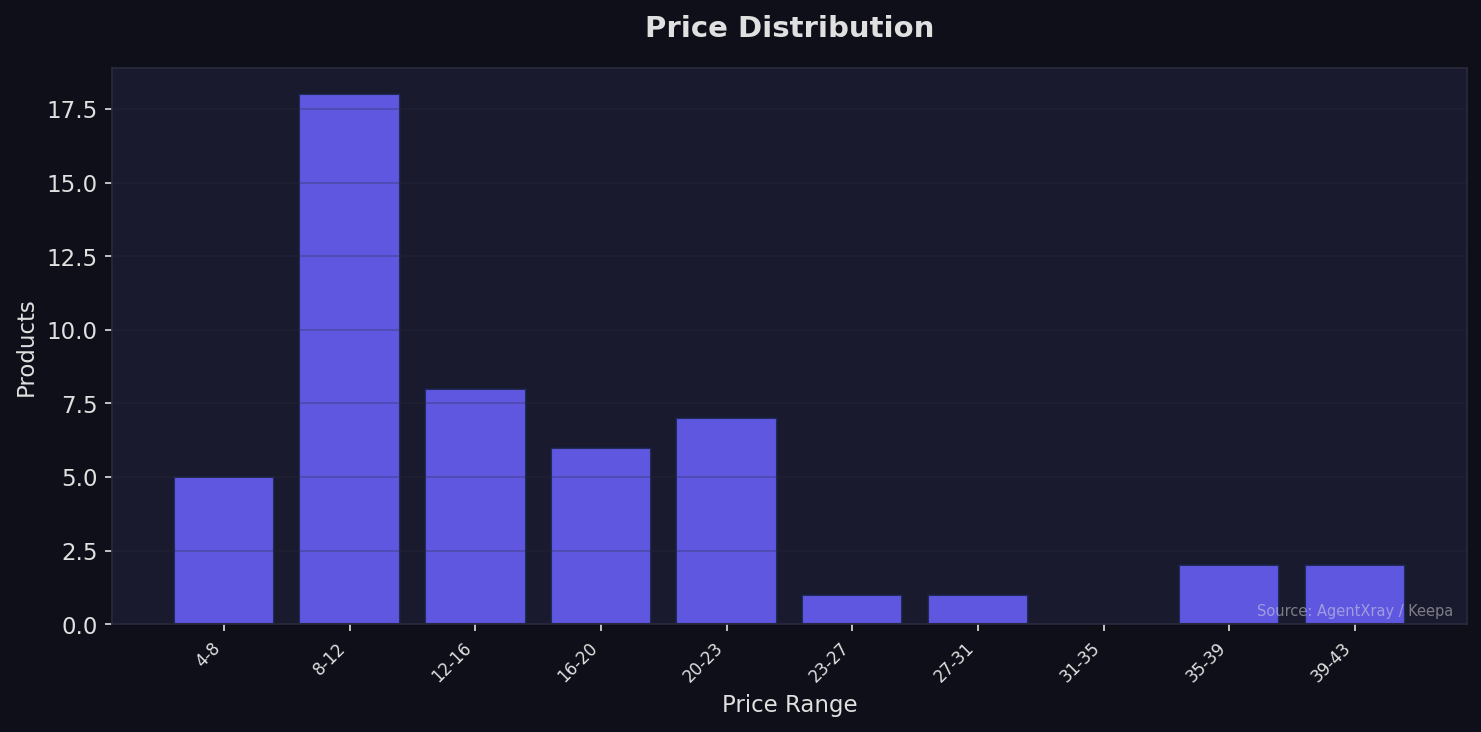 EU sellers need to pay close attention to these dynamics because even products with lower BSR rankings achieve remarkable sales success. For sellers eyeing the EU market, engaging with Amazon FBA effectively could mean the difference between average and exceptional performance. For more insights and detailed analytics on selling across these dynamic markets, [check out our complete guide to selling on Amazon Germany](/blog/selling-on-amazon-germany-2026-guide) and explore how AgentXray optimizes EU seller strategies. ## Understanding Pan-EU FBA Amazon's Pan-European Fulfillment by Amazon (Pan-EU FBA) program offers a significant advantage for sellers aiming for seamless sales across multiple EU marketplaces. The strategic framework of Pan-EU FBA is built around optimizing logistics and reducing costs, allowing sellers to reach customers in several European countries with minimal hassle. ### What is Pan-EU FBA? Pan-EU FBA is designed to centralize distribution by using Amazon's vast network of fulfillment centers across Europe. Instead of storing your inventory in a single country, Pan-EU FBA disperses your products across various EU fulfillment centers based on anticipated demand. This approach allows Amazon to ship products from the fulfillment center closest to the customer, ensuring faster delivery and better alignment with local market needs. Essentially, Pan-EU FBA acts like a multi-national enabler for Amazon sellers, allowing them to operate as effortlessly in EU markets as they might in a single national marketplace. ### Benefits of Pan-EU The key benefits of Pan-EU FBA revolve around efficiency and growth potential. Sellers enrolled in the program reap the rewards of an expansive market reach without the burden of independently managing logistics across different countries. First, sellers save on cross-border shipping fees due to the local distribution model, enhancing the profitability per unit. With an average product price of €15.53, which is relatively high given the standard deviation of €9.13, effective fulfillment can significantly impact net margin. Additionally, the demand in the Pan-EU market is robust, as illustrated by the average monthly sales of 6,823 units, supported by a strong average Best Seller Rank (BSR) of 2. Such high sales volume signals considerable potential for revenue growth, especially since the top 10 products account for 63% of total market revenue, emphasizing the competitive yet lucrative nature of selling via Pan-EU FBA. Overall, Pan-EU FBA positions Amazon sellers to effectively scale their operations while maintaining competitive delivery timelines across Europe. This positions the program as a critical opportunity for anyone serious about maximizing their footprint in the European marketplace.  ## Pros of Amazon FBA EU ### Competitive Advantage Amazon FBA in the EU offers a notable competitive advantage due to its expansive reach and strong demand. The market generates a total revenue of €4,228,878.99, with the top 10 products alone accounting for €2,671,500. This concentration, over 63% of the total market revenue, suggests that sellers who optimize their FBA strategy can capture significant market share. With an average BSR (bestseller rank) of 2 across products, even lower-ranked items perform impressively, emphasizing the high level of activity within the marketplace. The competitive edge that FBA provides is enhanced by Amazon's logistical capabilities, ensuring broad visibility and streamlined operations across multiple EU markets. This logistical advantage is vital for maintaining a strong position in a market where the average product enjoys a whopping 103,482 reviews, reflecting a very engaged consumer base. ### Flexibility in Pricing When it comes to pricing strategies in the EU FBA market, flexibility is key. With an average product price of €15.53 and a standard deviation of €9.13, there's a broad spectrum for sellers to position their products. This variation allows for creative pricing strategies, where one can either compete on price at the lower end, around €3.90, or differentiate with premium offerings up to €42.99. Products that use this flexibility can effectively navigate and capture different market segments. Sellers aiming for the premium market need robust differentiation, but the opportunity to command higher prices exists and is supported by Amazon's infrastructure. The combination of broad price points and consistent customer demand — averaging 6,823 monthly sales — facilitates dynamic pricing strategies, enabling sellers to adjust to changes in consumer preferences and market conditions.  ## Cons of Amazon FBA EU Navigating the Amazon FBA model in Europe comes with its own set of challenges. Let's explore the cost considerations and market saturation issues that often deter sellers. ### Cost Considerations Setting up a successful Amazon FBA operation in Europe requires a significant financial outlay, both upfront and ongoing. The average product price stands at €15.53, but with a substantial standard deviation of €9.13, sellers must carefully align their pricing strategies to maximize profitability. The range from €3.9 to €42.99 shows the wide disparity in product pricing, indicating that not all products can command a higher price tag. Additionally, the high competition means sellers often have to invest heavily in advertising and promotions to stand out. This is compounded by logistical costs such as storage fees, shipping, and VAT compliance, which vary across countries within the EU. Sellers must be prepared for these financial hurdles, which can significantly impact profit margins if not managed well.  ### Market Saturation The EU FBA market is highly saturated, making it difficult for new entrants to establish themselves. The total market revenue stands at €4,228,879. However, the top 10 products sweep up 63% of this, concentrating revenue among a small group of items. This means new sellers must compete fiercely against established products to gain visibility and market share. The average number of reviews per product exceeds 103,000, and the strong average rating of 4.5 stars highlights the importance of maintaining high product quality and customer satisfaction to succeed. Furthermore, a minimum BSR of 1 and a high average monthly sale of 6,823 units demonstrate that even lower-ranked products can achieve significant sales performance. This adds another layer of difficulty for sellers trying to break into the top ranks.  ## Pros of Pan-EU FBA ### Expanded Market Reach One of the significant benefits of using the Pan-EU FBA program is the expanded market reach it offers. By default, your products get distributed across Amazon's European marketplaces, exposing your inventory to Germany, France, Italy, Spain, and the UK. This means that sellers aren't just stuck in one market — they can tap into the unique consumer behaviors and demand patterns of multiple regions. Given the average product price in the EU FBA markets is €15.53 with varied price points reaching up to €42.99, there's ample opportunity for price differentiation and market segmentation. With the top 10 products capturing over 63% of the total market revenue, it's clear that a strong market presence across these EU marketplaces could play a critical role in driving sales volume. The high average of 6,823 monthly sales per product illustrates robust demand across these regions. Thus, Pan-EU FBA enables sellers to maximize their potential reach, supporting sales surges in peak times or specific regions.  ### Fulfillment Efficiency Fulfillment efficiency is another compelling advantage of the Pan-EU FBA program. By leveraging Amazon's vast and efficient network of fulfillment centers automatically distributed across EU countries, you reduce shipping times significantly, enhancing customer satisfaction. Products with an average BSR as low as 1 reveal that even the lowest-ranked items benefit from efficient delivery speeds and performance, which are crucial for maintaining competitive sales dynamics within the EU. Furthermore, with an average market rating of 4.5 stars, the quality of fulfillment is critical to maintaining high customer satisfaction and will directly influence reviews and repeat purchases. The ease of handling logistics through Amazon's infrastructure means you can focus more on strategic expansion and less on operational headaches. Amazon’s ability to handle diverse pricing points effectively—illustrated by a standard deviation of €9.13 in prices—also supports varied product strategies catering to the demands of different EU markets without compromising efficiency. By using Pan-EU FBA, sellers can achieve a sophisticated layer of logistical prowess that greatly enhances their capacity to compete in one of the most competitive e-commerce regions globally. ## Cons of Pan-EU FBA ### Complexity in Management Managing a Pan-EU FBA operation can be a labyrinthine task. You're dealing with not just one but multiple marketplaces, each with their own rules and intricacies. The average product price in the EU FBA market is €15.53 but with a hefty standard deviation of €9.13, indicating significant price variability across categories and marketplaces. This means that pricing strategies need to be tailored for each specific market — what works in Germany might not be viable in Italy or France. Moreover, keeping a handle on inventory, especially given the varied average BSR of 2 across products, adds to your logistical challenges.  ### VAT Challenges in Europe VAT is another substantial hurdle when expanding across EU markets. Unlike a single localized operation, Pan-EU FBA requires understanding and complying with the VAT rules of multiple countries. Each member state has its own VAT rate, and sellers must register for VAT in each country where they store goods — a process that becomes increasingly complex with more storage locations. The competitive landscape, indicated by the average of over 103,000 reviews per product, intensifies the need for precision in pricing since VAT will ultimately affect your margins. Mismanagement here can lead to non-compliance ramifications or loss of profitability, which can be detrimental in a market where top products account for over 63% of the total revenue. Proper handling of VAT compliance is crucial to achieving sustainable success in EU markets. ## Making the Right Choice: FBA vs Pan-EU ### Considerations for Sellers Choosing between Fulfillment by Amazon (FBA) and Pan-European Fulfillment (Pan-EU) hinges on several strategic factors, especially for EU-based sellers. With an average product price in the EU FBA market of €15.53 and a broad pricing range from €3.9 to €42.99, sellers will want to evaluate their pricing strategy carefully against rivals. This diversity is mirrored in the market's robust demand, as evidenced by an average of 6,823 monthly sales per product, indicating that even some lower-priced items can pull significant volume. From a logistics perspective, FBA offers a straightforward path by centralizing inventory in one EU location. However, this may result in longer delivery times and higher shipping costs for customers in different EU countries. Pan-EU, on the other hand, strategically positions inventory across multiple fulfillment centers in Europe, thus offering faster delivery and improved local customer service. It's essential, though, to factor in the increased complexity of managing inventory across various jurisdictions and the need to meet tax compliance regulations in each of these countries. Given the high competition—demonstrated by an average of 103,482 reviews per product—standing out requires impeccable listing optimization and possibly localizing listings to cater to diverse European customers. ### Conclusion & Recommendations Both fulfillment options have their merits and trade-offs, but the decision ultimately depends on your overall business strategy. For sellers targeting the highest possible revenue, focusing on the top 10 products is key, as these account for over 63% of the market's total revenue, indicating a high concentration of sales among leading items. The choice between FBA and Pan-EU should also consider your capacity for scale. If you can manage cross-border complexities and use Pan-EU's efficiency, you're more competitive against local sellers in multiple countries, potentially improving your bestselling rank under diverse market conditions.  Start by considering your primary market dynamics. High-demand products (evidenced by the notable sales figures) may thrive under the rapid delivery systems Pan-EU supports. However, if you're a newer seller looking for simpler logistics, FBA could be the optimal entry. Our data suggests that while the market average BSR sits at a solid 2, indicating strong demand, venturing into Pan-EU could chip away at those numbers even further by reducing delivery times and enhancing customer satisfaction. --- Deciding between FBA and Pan-EU options for your Amazon business isn’t a one-size-fits-all choice. Our analysis across multiple EU marketplaces shows that while the FBA program offers flexibility and lower upfront commitment, the Pan-EU model excels in cost efficiency if you're ready to scale across borders. However, be ready for intricate VAT compliance across EU countries under Pan-EU, which can make accounting complex. Another insight is the impact of delivery speed — customers rate products higher when delivered fast, a boon for Pan-EU with its distributed warehousing. But, FBA holds its ground, especially for niche sellers testing waters without overextending financially. AgentXray can help navigate these dynamics, automatically tracking marketplace trends to ensure your fulfillment strategy aligns with your business goals. Let data inform your next steps with confidence. --- ## About this article This article was researched and drafted with AI assistance. Before publication, it passed automated editorial review against Avanta Global EOOD's published editorial standards (factual accuracy, source attribution, voice & readability). Our [editorial standards page](/disclosure) documents exactly what we check. We continuously monitor published content for accuracy and update articles when new information emerges. Learn more about our [editorial process](/disclosure) and the team [behind AgentXray](/about). *Want to run your own analysis? [Try AgentXray](https://agentxray.ai).* ## Related reading - [this related guide](https://agentxray.ai/blog/complete-guide-to-amazon-fba-eu-efn-vat) - [AgentXray's oss scheme amazon eu analysis](https://agentxray.ai/blog/understanding-oss-scheme-amazon-eu-sellers)
About this article
This article was researched and drafted with AI assistance. Before publication, it passed automated editorial review against Avanta Global EOOD's published editorial standards (factual accuracy, source attribution, voice & readability). Our editorial standards page documents exactly what we check. We continuously monitor published content for accuracy and update articles when new information emerges. Learn more about our editorial process and the team behind AgentXray.