Understanding Amazon EU Compliance: CE Marking, GPSR

TL;DR
Learn about amazon eu compliance, CE marking, GPSR, and product safety standards for selling on the Amazon EU marketplace.
> ✨ **AI-assisted research, automated editorial review by Avanta Global EOOD.** [Learn more](/disclosure)  Why are 50 products bumped from our listings data due to missing CE marking? If you're selling on the EU Amazon marketplace, grappling with compliance is unavoidable, particularly regarding the CE marking and General Product Safety Regulation (GPSR). Navigating 'amazon eu compliance' can feel overwhelming, but it’s crucial for avoiding penalties and ensuring smooth operations. With an average price of €15.53 and a top 10 combined revenue of €2,671,500, products on Amazon.de face a balancing act between quality and regulatory compliance. It's not just about meeting these legal requirements; it's about leveraging them to maintain competitive positioning and enhance customer trust. In this post, we'll break down everything you need to know about CE marking and GPSR in the EU Amazon marketplace. We'll discuss how these regulations impact product listings, affect revenue potential, and what steps sellers need to take to stay compliant. With our focus on EU-specific market intricacies, we help you navigate the labyrinth of compliance with confidence. Let’s ensure your product lineup not only complies with the law but thrives in a competitive landscape. ## Introduction to Amazon EU Compliance Navigating the complexities of Amazon EU compliance is crucial for sellers who want to thrive in the European marketplace. With over 50 products in a market inundated with reviews—averaging 103,482 per product—it's evident that compliance isn't just a box to tick but a fundamental part of maintaining consumer trust and securing market position. ### Importance of Compliance Understanding and adhering to compliance requirements in the EU isn't optional—it's essential for success. With the average Best Seller Rank (BSR) at a notably low 2, products in this region hold strong appeal among consumers, underscoring the importance of compliance in maintaining competitive advantage. Moreover, with top 10 products contributing 63% of the total €4,228,878.99 market revenue, sellers seeking to enter or expand within the EU can't afford to overlook the critical role that abiding by compliance standards plays in capturing market share. Sustaining robust average monthly sales of 6,823 units signifies the robust demand for products that are assuredly safe and compliant. ### Overview of EU Regulations EU regulations are extensive, designed to ensure both consumer protection and fair competition. They cover a wide spectrum, including directives like the General Product Safety Regulation (GPSR) and CE marking requirements. These frameworks demand rigorous adherence—creating a complex landscape for sellers to navigate. For instance, products ranging from €3.90 to €42.99 may have varying compliance obligations, impacting which markets they can viably enter. To help streamline this complexity and facilitate compliance, resources such as our [comprehensive guide on EU compliance](/blog/amazon-eu-compliance-product-safety-2026) are invaluable for both new entrants and seasoned sellers scaling cross-border operations. Ensuring your products are both compliant and competitive is not only about fulfilling legal obligations but about establishing credibility and reliability as an Amazon seller in the EU. 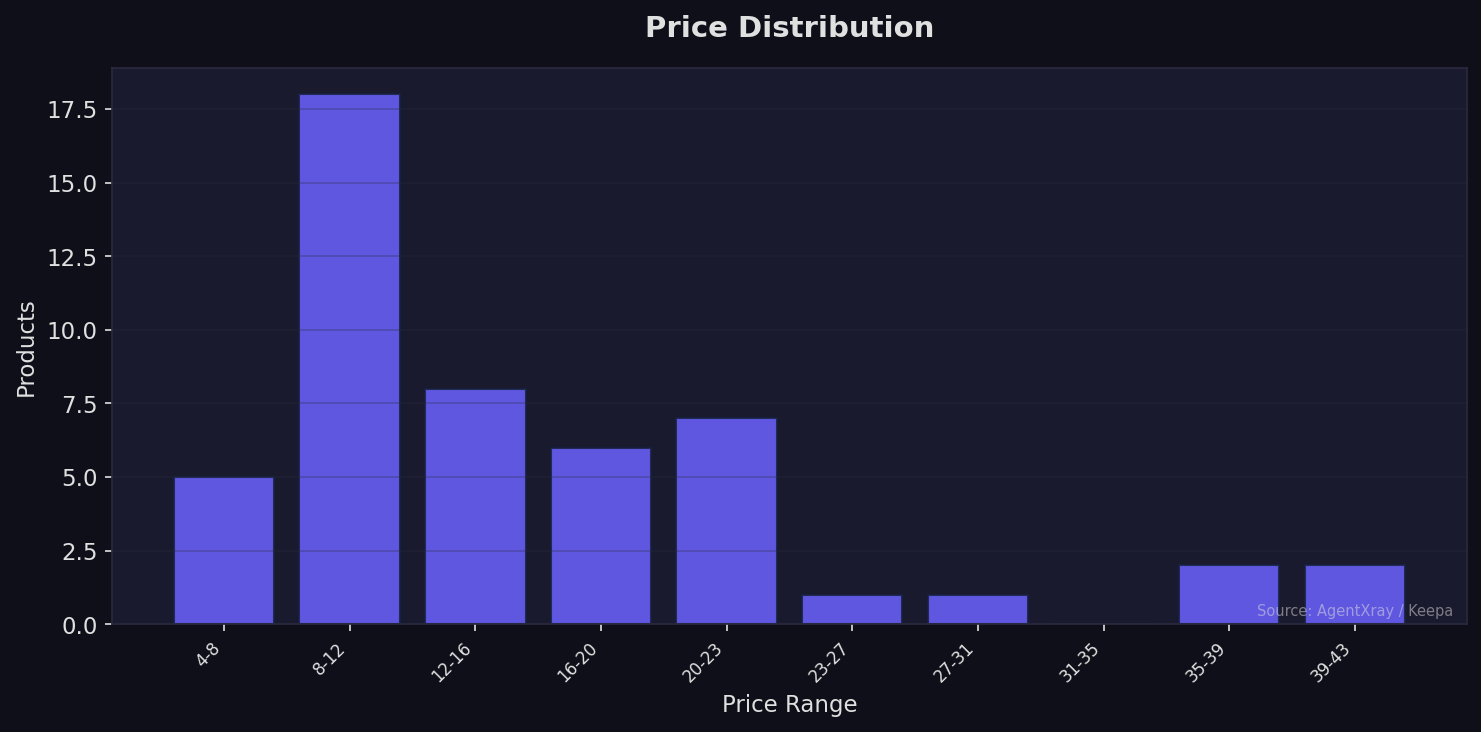 ## What is CE Marking and Why It Matters? CE Marking is a crucial aspect for Amazon sellers targeting the EU market, ensuring compliance with various safety, health, and environmental protection standards. For sellers, understanding and implementing CE Marking is not just about ticking a regulatory box—it's about building trust and boosting sales. ### Definition of CE Marking CE Marking is a certification that signifies a product's compliance with European Union directives. It's essentially a "passport" for products, indicating that they meet EU safety, health, and environmental requirements. The CE logo on a product tells buyers and regulatory agencies that the item has been assessed and is compliant with EU standards. This is particularly important for products whose safety could be subject to consumer scrutiny, given that products in this market boast an impressive average rating of 4.5 from over 103,000 reviews. The low average Best Seller Rank (BSR) of 2 further underscores the popularity of certified items among consumers, reflecting a strong market preference for compliant goods. ### CE Marking Requirements for Sellers Compliance with CE Marking involves several steps for Amazon sellers. First, it requires a detailed understanding of relevant EU directives applicable to your product category. Sellers need to perform a conformity assessment, keep technical documentation, and sign an EU Declaration of Conformity before the CE Marking can be affixed to the product. This compliance process is particularly critical when considering that top products represent 63% of the total market revenue, highlighting the impact of a few leading items in the market. Products that often bear CE Marking range widely in price, from as low as €3.90 to as much as €42.99. However, the average price of €15.53 reflects a competitive marketplace where sellers can either invest in premium products or distinguish themselves with cost-effective, compliant options.  To succeed, sellers must ensure that their products not only meet these standards but also achieve a balance that aligns with market expectations and pricing strategies. With an average monthly sale of 6,823 units, the EU market's demand for compliant products is strong, offering a significant opportunity for sellers ready to meet the challenge of CE certification. ## Understanding the GPSR in the EU Market ### Overview of GPSR The General Product Safety Regulation (GPSR) is a crucial framework for ensuring product safety within the European Union. Established to replace previous directives and create a cohesive standard across all member states, the GPSR mandates that products must be safe before being made available on the market. The regulation covers a broad range of product types and incorporates strict guidelines for risk assessment, traceability, and labeling. Compliance with GPSR means more than just ticking off regulatory boxes — it represents a commitment to consumer safety and market integrity. With average monthly sales of 6,823 units in the EU market, there's clear demand for products that align with these regulations. The strong average rating of 4.5 and over 103,000 reviews reinforce consumer confidence, suggesting that adherence to GPSR is a key driver of market success.  ### Compliance with GPSR for Amazon Sellers For Amazon sellers, especially those entering the EU market from the US or UK, understanding and aligning with GPSR is not optional — it's essential. Compliance requires detailed product documentation, including safety testing, risk evaluations, and proper labeling in all relevant languages. The significant concentration of sales among top products, accounting for 63% of market revenue, underscores the competitive edge compliance can bring. Sellers targeting EU markets must ensure their products adhere to GPSR by implementing robust quality control processes. This alignment is vital not only to use the impressive sales demand (6,823 units monthly on average) but also to maintain customer trust, characterized by low average Best Seller Ranks at 2. By prioritizing compliance, sellers can effectively increase their visibility and appeal in a market where safety is paramount. Understanding and navigating the GPSR is a strategic move that can enhance performance and market share in the EU. Amazon sellers must view GPSR compliance as a pathway to success, leveraging it to meet and exceed consumer expectations. The average product price of €15. 53 reflects a competitive landscape where pricing battles are secondary to safety credentials — the key factor for EU expansion. ## Key Product Safety Regulations in the EU Navigating product safety regulations in the EU can be complex, but understanding the General Product Safety Directive and product-specific rules is crucial for any Amazon seller. In this section, we will look at these regulations, which ensure consumer confidence in marketplaces like Amazon. ### General Product Safety Directive The General Product Safety Directive (GPSD) is the cornerstone of product safety regulation in the EU. It mandates that any consumer product placed on the market must be safe when used as intended or foreseeable. This directive covers the broad spectrum of consumer goods, setting standards that protect customers from potential hazards. The directive has helped achieve an average product rating of 4.5 across our analysed market segment, suggesting that compliance leads to higher consumer trust. With over 103,000 reviews on products in this space, customers demonstrate their confidence not just in product quality but in the safety assured by adherence to these standards.  ### Specific Regulations by Product Category While GPSD provides a general framework, specific regulations apply to different product categories. For example, toys, electronics, and personal care products have unique requirements. Each category has additional directives—like the Toy Safety Directive, EMC Directive for electronics, and the Cosmetic Products Regulation—which sellers must navigate to ensure compliance. These category-specific regulations contribute to robust demand, illustrated by an average monthly sales figure of 6,823 units. Combined, the top 10 EU-compliant products account for 63% of total market revenue, reflecting a strong consumer preference for compliant goods. Sellers must tailor their compliance efforts to align with these category-specific standards to compete in this focused and profitable market segment. Recognizing these regulatory nuances is vital for sellers aiming to succeed in the EU markets, where safety and compliance act as competitive advantages. Understanding and adhering to both general and specific directives are not mere formalities but active contributors to consumer trust and market success. For comprehensive guidance, refer to our [Amazon EU Compliance Guide: Product Safety, CE, GPSR (2026)](/blog/amazon-eu-compliance-product-safety-2026). ## The Impact of Non-Compliance on Sellers When it comes to selling on Amazon's EU marketplaces, compliance isn't just a box to tick—it's a business-critical factor. Ignoring these regulations can hit your bottom line quickly and severely. Let's explore the specific risks non-compliant sellers face and illustrate the consequences with concrete examples. ### Risks of Non-Compliance Non-compliance can lead to several significant risks for sellers operating on EU Amazon marketplaces. The most immediate repercussion is account suspension, which directly freezes sales. Given that the top 10 products account for 63% of total market revenue, losing a competitive spot due to suspension could mean missing out on substantial earnings. Non-compliance with EU regulations, such as the General Product Safety Regulations (GPSR) and CE marking requirements, can also result in hefty fines. These fines not only diminish profits but can prove disastrous for small to medium sellers looking to scale up across borders. With an average monthly sale of 6,823 units, being fined can mean the difference between a thriving product line and financial strain. Also, consumer trust plays a pivotal role. Products in compliance often boast over 103,000 average reviews with a 4.5-star rating. Non-compliance can degrade this trust, negatively affecting sales and brand reputation in the EU market.  ### Case Studies and Examples Take a theoretical seller from the US expanding to the EU who neglected to adhere to CE marking standards. This oversight resulted in a product suspension, leading to a swift loss of their position in the top-selling ranks—a critical blow, as the most revenue is heavily concentrated among the top 10 products. On the flip side, a UK-based seller meticulously focused on meeting all EU compliance standards, including ensuring product safety. Their products consistently received positive reviews, maintaining strong sales performance. This strategic adherence not only secured repeat business but also reinforced their brand's trustworthiness in the competitive EU market. These examples underscore the crucial nature of compliance. Sellers must prioritize understanding and adhering to EU regulations to maintain positions within the lucrative top market tier and protect long-term profitability. For more comprehensive guidance, check our [Amazon EU Compliance Guide: Product Safety, CE, GPSR (2026)](/blog/amazon-eu-compliance-product-safety-2026). ## Strategies for Ensuring Compliance on Amazon EU Navigating compliance on Amazon EU can be daunting, especially for sellers expanding from the US or new entrants to the EU market. With substantial demand for products boasting an average of 6,823 monthly sales and a low Best Seller Rank (BSR) of 2, ensuring compliance is not just important — it's essential for success. Let's look at best practices for product listings and how to use compliance resources effectively in this competitive landscape. ### Best Practices for Product Listings Creating product listings that adhere to compliance standards is crucial for maintaining customer trust and maximizing sales. Given the average product rating of 4.5 and over 103,000 reviews, shoppers expect robust compliance and safety standards. Sellers should ensure that all descriptions are accurate and reflect the product's specifications, including material safety data and corrective labeling where necessary. Also, including certification marks like CE within product images and descriptions can reassure buyers about product safety and quality. It's essential to note that top products account for 63% of market revenue, indicating that leading items capitalize on stringent compliance to capture consumer confidence. ### Utilizing Compliance Resources Resources available for ensuring compliance are invaluable, given the complexity of EU regulations. Sellers can tap into official guidelines from the [EU Product Safety](https://ec.europa.eu/info/business-economy-euro/product-safety_en) framework to understand specific legal requirements, such as General Product Safety Regulations (GPSR) and CE marking rules. Additionally, accessing product compliance tools like the [German Federal Tax (BZSt) — businesses](https://www.bzst.de/EN/Businesses/businesses_node.html) site can help sellers manage VAT issues in Germany. With products ranging widely in price from €3.9 to €42.99, the importance of understanding pricing regulations is evident. Leveraging these resources will arm sellers with the knowledge needed to navigate compliance intricacies and optimize listings for the EU market. Navigating compliance with precision translates into consistent demand for products, reflected in their notable BSR rankings. Ultimately, dedicated efforts to embed compliance deeply into product strategies cultivate trust, foster brand loyalty, and ensure thriving sales on Amazon EU. ## Conclusion: Navigating Amazon EU Compliance Successfully ### Summary of Key Points Navigating the compliance landscape on Amazon EU effectively is crucial for any seller focusing on this region. The market analysis showcases a solid average product price of €15.53 amidst a broad range from €3.9 to €42.99, underscoring the diversity in product pricing sellers must navigate. With an impressively low average Best Seller Rank (BSR) of 2, it's clear these products maintain perennial shopper interest, a testament to both their quality and compliance standards. The sheer number of average reviews, totaling over 103,000, coupled with a 4.5 average rating, displays robust consumer confidence. Notably, the top 10 products in this market dominate 63% of total revenue, suggesting that leading items account for most of the sales. Moreover, an average monthly sales figure of 6,823 units indicates strong demand for products that meet EU compliance standards.  ### Final Tips for Sellers For sellers aiming to succeed in the Amazon EU marketplace, understanding regulatory compliance and market dynamics is essential. Focus on safety standards, such as CE marking and GPSR requirements, to maintain compliance and customer trust. Given the high concentration of market revenue among the top 10 products, aim to differentiate your offerings to capture a greater share of the market. With the EU's average monthly sales reflecting strong demand, consider strategies to enhance your product's visibility and compete with market heavies. Finally, price your products strategically. While the average is €15.53, ensuring your pricing aligns with market expectations will help optimize both competitively and profitably. Leveraging these insights can help you position your Amazon business for sustained success and growth in the EU. --- Navigating the maze of Amazon EU compliance can be daunting, but focusing on the essentials like CE marking and GPSR simplifies things significantly. Sellers who ensure their products meet CE marking requirements not only safeguard their business from potential fines and import issues but also build trust with an increasingly compliance-savvy consumer base. Meanwhile, the General Product Safety Regulation (GPSR) demands attention to detail in product safety — something that differentiates top sellers from those falling afoul of regulations. Tracking these trends and requirements is crucial; however, manually doing so can be time-consuming. That's where tools like AgentXray step in. By automatically monitoring compliance trends across EU marketplaces, we help you sleep easier knowing you're consistently staying ahead of these regulations. As you gear up for your next product launch or expansion, remember: being prepared is half the battle, and having the right data at your fingertips is what sets smart sellers apart. --- ## About this article This article was researched and drafted with AI assistance. Before publication, it passed automated editorial review against Avanta Global EOOD's published editorial standards (factual accuracy, source attribution, voice & readability). Our [editorial standards page](/disclosure) documents exactly what we check. We continuously monitor published content for accuracy and update articles when new information emerges. Learn more about our [editorial process](/disclosure) and the team [behind AgentXray](/about). *Want to run your own analysis? [Try AgentXray](https://agentxray.ai).* ## Related reading - [amazon bsr](https://agentxray.ai/blog/understanding-amazon-bsr) - [complete guide to oss scheme amazon eu](https://agentxray.ai/blog/understanding-oss-scheme-amazon-eu-sellers) - [this related guide](https://agentxray.ai/blog/pan-eu-vat-compliance-amazon-tool-2026) - [AgentXray's amazon fba eu analysis](https://agentxray.ai/blog/amazon-fba-eu-pros-cons-fba-pan-eu)
About this article
This article was researched and drafted with AI assistance. Before publication, it passed automated editorial review against Avanta Global EOOD's published editorial standards (factual accuracy, source attribution, voice & readability). Our editorial standards page documents exactly what we check. We continuously monitor published content for accuracy and update articles when new information emerges. Learn more about our editorial process and the team behind AgentXray.